01
Duplicate content at scale
Collections, tags and filters create several URLs for one product. Without canonical tags Google sees near-identical pages and ranks none of them well.
Many URLsOne canonical


Ecommerce SEO for Shopify and WooCommerce stores: collection page optimisation, product schema, technical fixes, internal linking and content that ranks for buying searches. Organic traffic that pulls its weight next to your paid ads.





SEO done by the team that builds stores.
We build Shopify and WooCommerce stores ourselves, so collection copy, schema and internal links go straight into the theme, not into a report someone else has to act on.
2
Platforms
Free
Summary audit
4mo
Min. Growth term
Why stores do not rank
SEO advice written for blogs does not work for stores. A catalogue has its own problems: duplicate URLs at scale, thin category pages and variants that multiply every product.
Collections, tags and filters create several URLs for one product. Without canonical tags Google sees near-identical pages and ranks none of them well.
A collection called "Kurta Sets" with 40 products and no text gives Google nothing to understand. Category pages need a keyword, copy and headings.
"Blue Floral Kurta Set" ranks for nothing. A title with fabric, fit, print and size range matches the searches buyers type.
Without structured data for the product, its price and availability, your listing is a plain blue link next to richer competitors.
Hundreds of products and no linking plan means most pages start with no authority. Breadcrumbs and cross-links are rarely set up.
Full-size hero images on Shopify or dozens of plugin scripts on WooCommerce push LCP, CLS and INP past the thresholds Google measures.
What we do
Technical SEO and content SEO together, since neither works well without the other. The foundation gets fixed first, then we build on it.
Buying-intent keyword research, category copy, H1 and meta tags, pagination handling and canonical tags for faceted navigation.
Biggest organic opportunity
Product, Offer, AggregateRating and BreadcrumbList in Liquid or the WooCommerce theme, validated in the Rich Results Test and monitored in GSC.
Price and stock in results
Crawl audit, canonicals, robots.txt, sitemaps, redirects, duplicate URLs, hreflang where needed and Core Web Vitals fixes for LCP and CLS.
Foundation before content
Keyword research for top sellers, titles rewritten for ranking and clicks, meta descriptions for CTR, and fuller descriptions with specs and FAQs.
Per SKU or in batches
Breadcrumbs, related products, collection cross-links and blog-to-category links, with every product reachable within 3 clicks of the homepage.
Authority where it sells
Guides that feed buying pages, such as how to style a kurta set for a wedding linking to the collection. Clustered into a content calendar.
Topical authority
Collection pages
Shoppers search for categories more often than for exact products, so collection pages are where most of a store's organic opportunity sits. Here is what each one gets.
Breadcrumbs
Visible path and BreadcrumbList schema, which also links the page into the catalogue.
A keyword-led H1
The category term buyers search, matched in the title tag and meta description.
Intro copy above the grid
A short paragraph that tells Google and shoppers what the collection is.
Filters that do not duplicate
Filtered URLs canonicalised or kept out of the index.
Optimised product cards
Titles with the attributes people search, and images with real alt text.
Content below the grid
A buying guide and FAQ for the long-tail questions around the category.
Product schema
Structured data tells Google exactly what a page sells. We write it into the theme so it always matches the variant, price and availability on the page, then validate it before and after every release.
Good to know: review stars appear only for genuine reviews shown on the page, and Google decides when to show any rich result. Valid schema makes a page eligible, it does not force the display.
Platform SEO
We build on both, so the fixes go into Liquid or the WordPress theme directly, with no plugin lock-in on custom builds.
Shopify handles hosting and the basics. The traps are structural: duplicate product paths inside collections, a fixed URL structure and app scripts that slow every page. They need Liquid-level fixes.
WooCommerce gives full control, which also means category and tag URLs can duplicate each other, plugins can fight over meta tags and custom fields can be left out of structured data.
Free store SEO audit
For a new enquiry we do a summary technical and content audit at no cost, so you know what is broken before you pay for anything.
Request the free auditCrawl audit
Duplicate URLs and orphan pages across the catalogue.
Canonical tags
Configuration checked by hand and with tools.
Index coverage
What is indexed, what is not, and why.
Core Web Vitals
LCP, CLS and INP on real phones.

Schema validation
Eligibility for product rich results.

Collection page content
Copy, headings and intent, reviewed by hand.
Product title keywords
The top 20 SKUs against what buyers search.
Internal linking depth
How many clicks each product is from the homepage.
Client SEO
Specific changes on specific platforms. Not "we improved organic traffic", but what was built and what it fixed.
Nayi Nazar
Women's clothing
WooCommerce
A custom SEO module in PHP for full control of metadata without a plugin, URL rewrites, and category pages restructured around ethnic wear keywords.
Rich snippets live, monitored in GSC
Keeyara Wholesale
Ethnic wholesale
Shopify
Moved from WooCommerce to Shopify with a complete 301 redirect map, sitemap and canonical fixes, and collections rewritten for wholesale keywords.
No GSC errors after launch
Soul Vacation
Ayurvedic retreat
 WordPress
SEO module with sitemaps for six custom post types, Open Graph and Twitter meta, and local business schema on treatment pages.
FAQ rich results, local pack
Financial Data Exchange
financialdataexchange.org
WordPress
Technical SEO audit, schema, sitemap work and Search Console set up and verified.
GSC indexing errors resolved
Our work
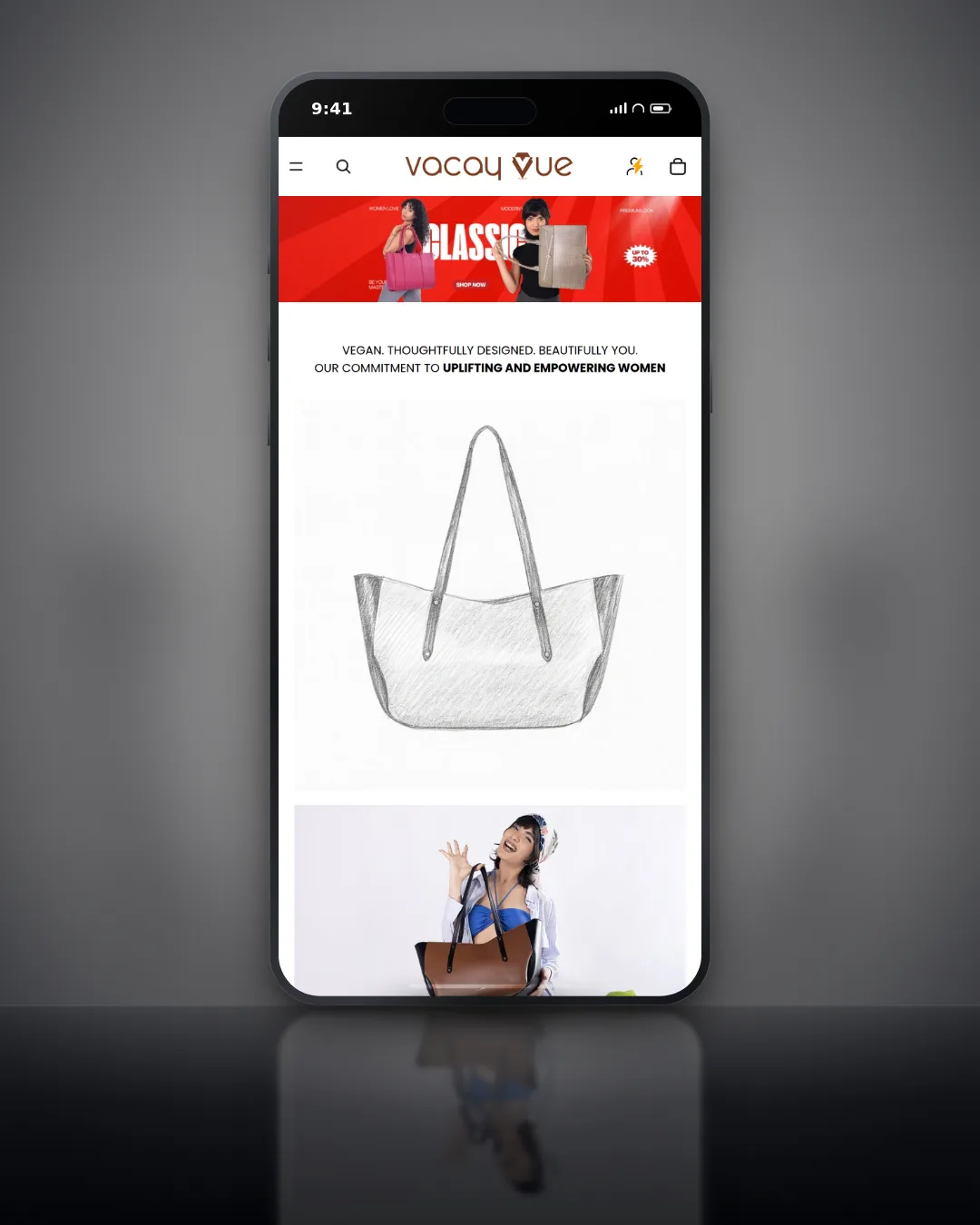
Fashion Accessories · Shopify
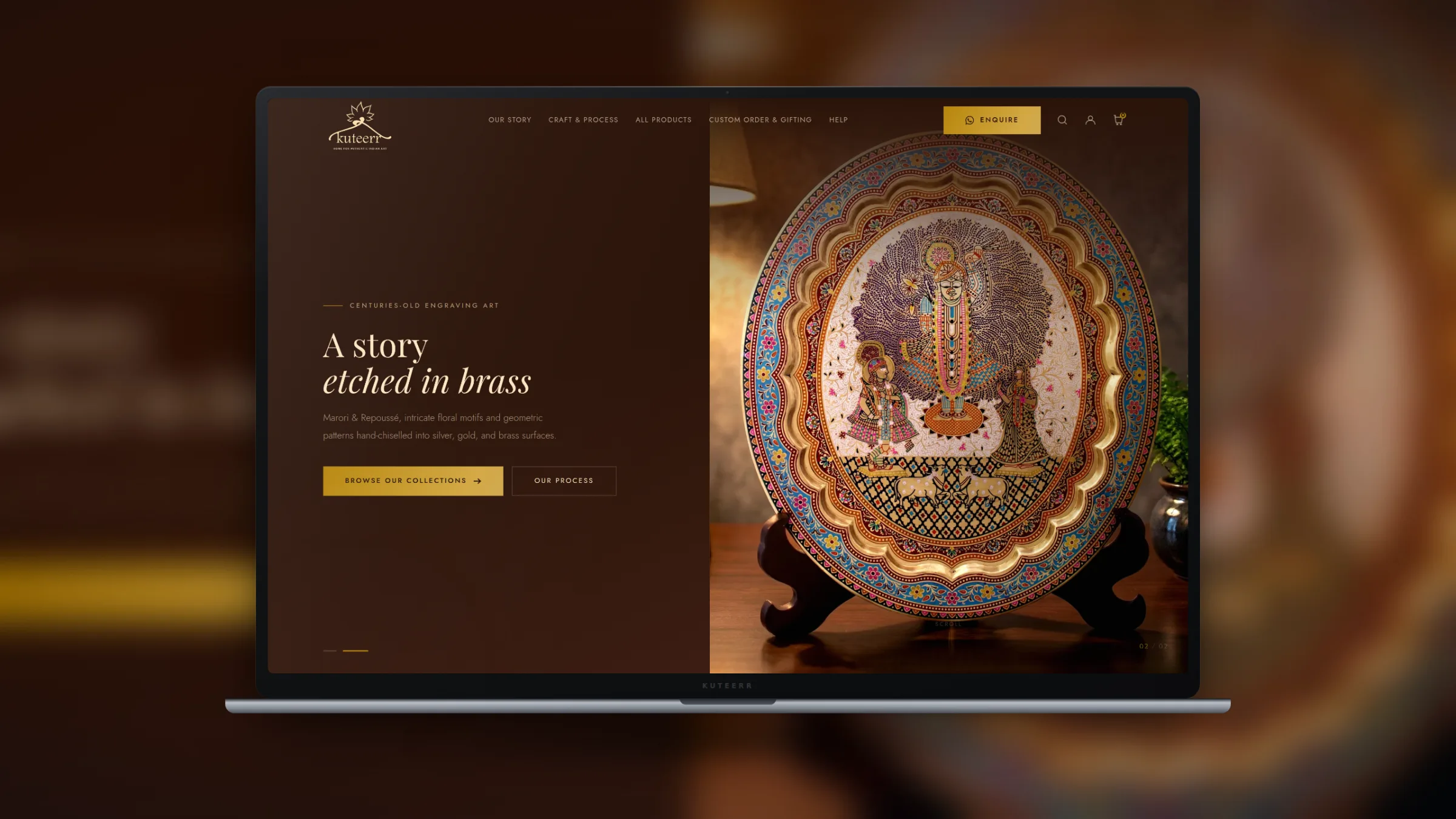
Handicrafts & Decor · Shopify

Fashion & Apparel · Shopify

Fashion & Apparel · Shopify
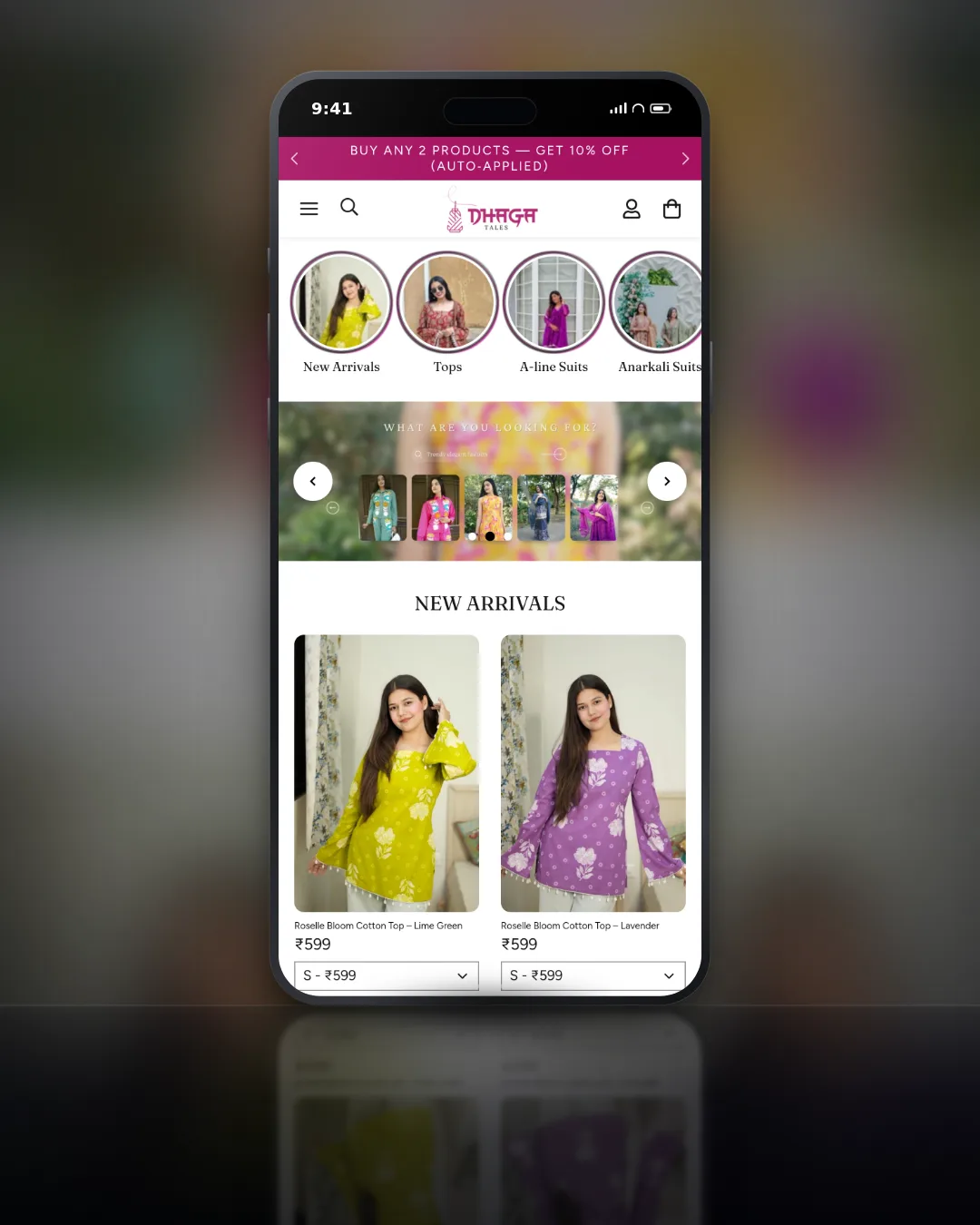
Fashion & Apparel · Shopify
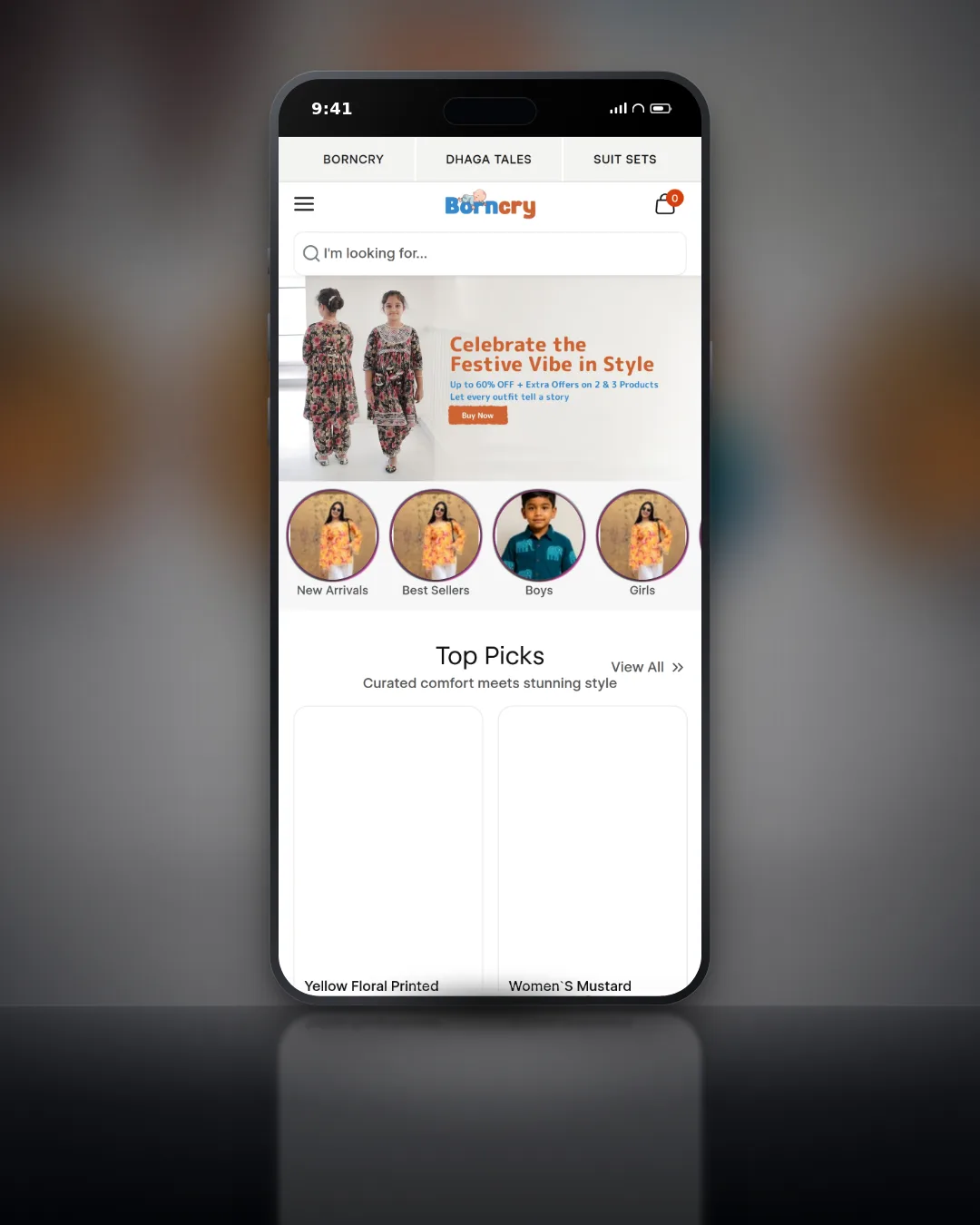
Fashion & Apparel · Shopify
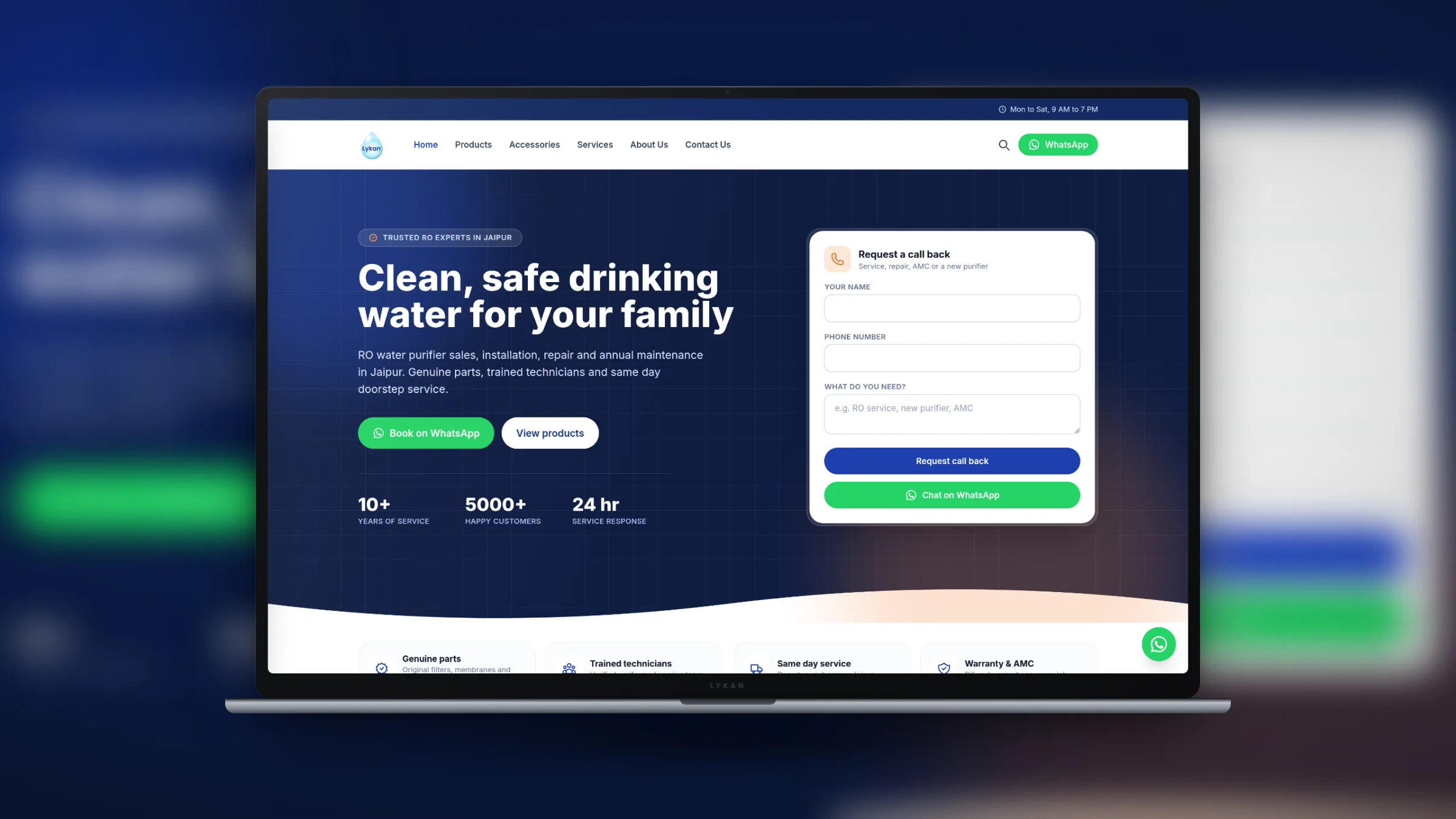
Home Services · Laravel

Fashion & Apparel · Shopify
See every case study
Shopify, WordPress and custom builds, with the brief, the work and the result.
View all workHow we work
Nothing is built on a broken foundation. Collection pages come before products, because they have more ranking potential.
Step 1
Crawl the store, fix duplicate content, canonicals, sitemap, robots.txt and Core Web Vitals.
Step 2
Buying-intent keywords for every collection and the top 50 products, ranked by volume, competition and intent.
Step 3
Collection copy, product meta titles, schema, internal links and breadcrumbs, written into Liquid or the theme.
Step 4
A monthly GSC report: impressions, clicks, positions and coverage, with new opportunities added to the backlog.
What to expect
Anyone promising page one in 30 days is not being straight with you. This is how ecommerce SEO usually unfolds.
2 to 4 weeks
Indexing and coverage changes appear in Search Console.
4 to 8 weeks
Rich result eligibility shows in GSC enhancements reports.
3 to 6 months
Competitive category keywords respond to sustained on-page and content work.
6 to 12 months
Content and links amplify a foundation that already works.
Pricing
SEO compounds: the longer it runs, the more the organic channel contributes and the lower your effective cost per click becomes.
SEO Foundation
Fix the technical base of the store, once.
Rs 18K to 40K
One-time · 2 to 3 weeks
Growth SEO
Collections, products and content, every month.
Rs 22K /mo
+ GST · min 4 months
Authority SEO
The full catalogue, content and earned links.
Rs 40K /mo
+ GST · min 6 months
All prices exclusive of GST. Free SEO audit before committing.
Not sure where your store stands?
Start with the free summary audit: technical issues, schema gaps and collection page opportunities, before you spend anything.
FAQ
Not sure where your store stands? Ask in the form, or start with the free summary audit.
Technical fixes show in Search Console indexing reports within 2 to 4 weeks. Schema and rich results typically appear in 4 to 8 weeks. Rankings for competitive keywords take 3 to 6 months of sustained on-page and content work. The value of SEO is organic traffic that keeps arriving without ongoing ad spend.
Very. Stores have problems generic SEO ignores: duplicate content from filters and variants, thin category pages, pagination, product schema, crawl budget on large catalogues, and the difference between informational and buying keywords. A store with 500 products needs a different approach from a 10-page service website.
Yes, both. Shopify has constraints such as its URL structure, canonical handling and the /collections/ duplication issue, which need Liquid-level solutions. WooCommerce has category and tag duplication, plugin conflicts and custom fields that must be included in structured data. We build on both platforms ourselves.
On the Authority SEO plan, yes: outreach to relevant fashion, lifestyle or industry publications. We never use link farms, private blog networks or paid links. For most Indian D2C stores, on-page and technical SEO drive most of the improvement in the first 6 to 12 months, and links amplify it.
Yes, and they help each other. Paid ads show which keywords convert, which sets SEO priorities. Organic rankings for brand and category terms reduce your dependence on paid traffic and lower blended acquisition cost. The aim is to reduce paid dependency over 12 to 18 months, not to stop ads.
It depends on the store. For most WooCommerce stores, Yoast or Rank Math handle the basics well and we configure them properly. For fully custom WordPress builds we write a clean SEO module in PHP for meta, schema and sitemaps. On Shopify, the work is done in Liquid in the theme itself.
Buyers search for categories, such as cotton kurta sets, far more than for one exact product. A collection page can target that search and pass authority to every product in it. Products get optimised too, starting with your top sellers, but collections usually move organic revenue first.
Store admin or theme access, Search Console and GA4 access (or we set them up), and a short brief: your best-selling categories, the competitors you watch and the searches you most want to win. The free summary audit needs only your store address.
The map pack is ranked on three things Google names publicly, and only two of them are yours to change. Here is what that means in practice for a Jaipur business, and which of the usual local SEO advice is a waste of your time.
Most of the risk in a WooCommerce to Shopify move is not the product data. It is the URL map, the things that were plugins and now have to be rebuilt, and in India the payment gateway, which does not come across at all.
Shopify handles a lot of technical SEO for you and leaves a specific set of problems it cannot fix. Here is which pages to fight for, the duplicate URL trap every store has, and what to do about supplier product copy.
Free store SEO audit
Send your store address. We reply with the technical issues, schema gaps and collection opportunities we see, and the plan that fits.
Free summary audit
Technical issues, schema gaps and collection opportunities, in plain language.
A plan and a fixed fee
One-time foundation or a monthly plan, scoped to your catalogue.
Monthly reports from your GSC
Numbers from your own Search Console you can check yourself.
Your store URL and the categories you most want to rank are enough to start.