01
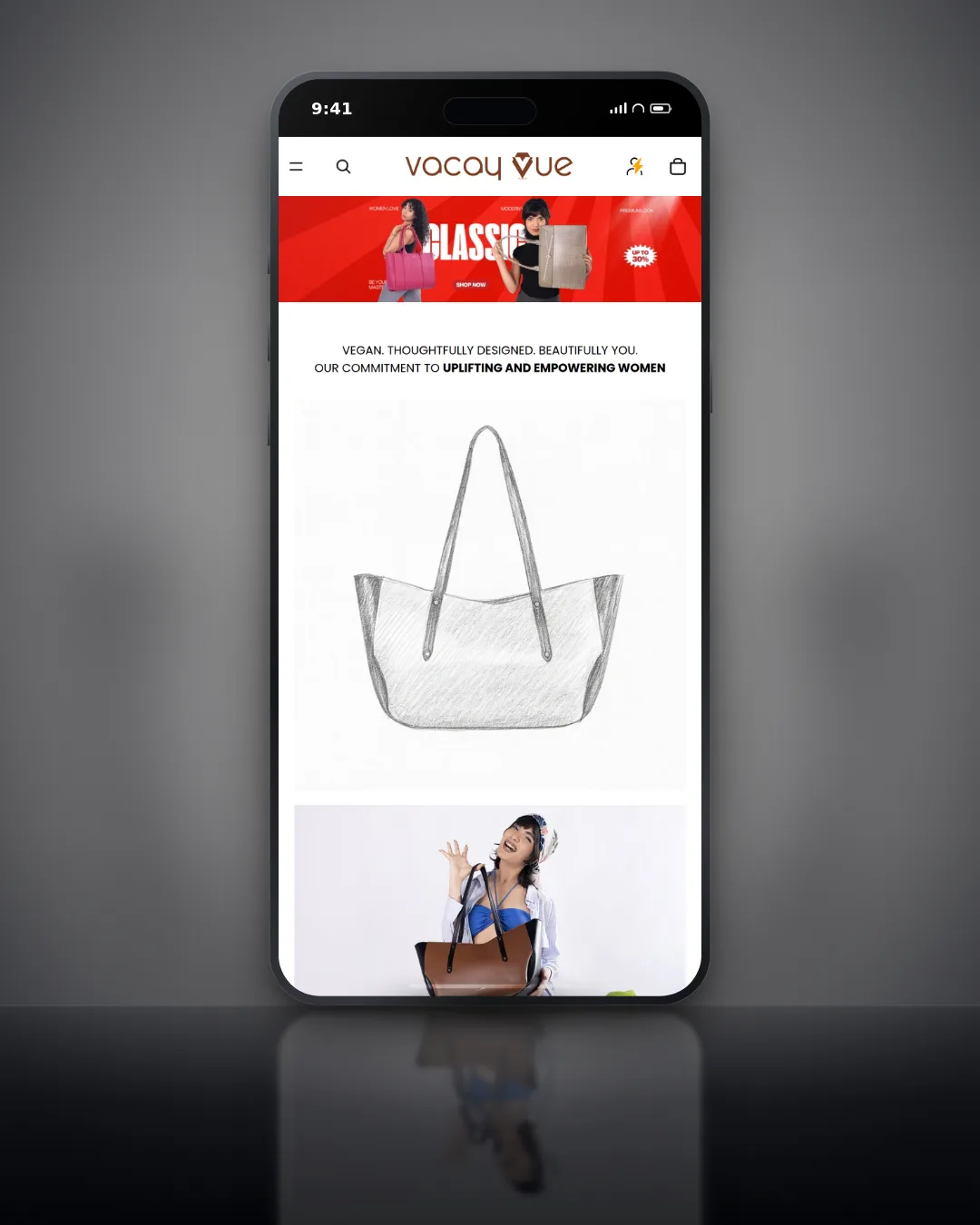
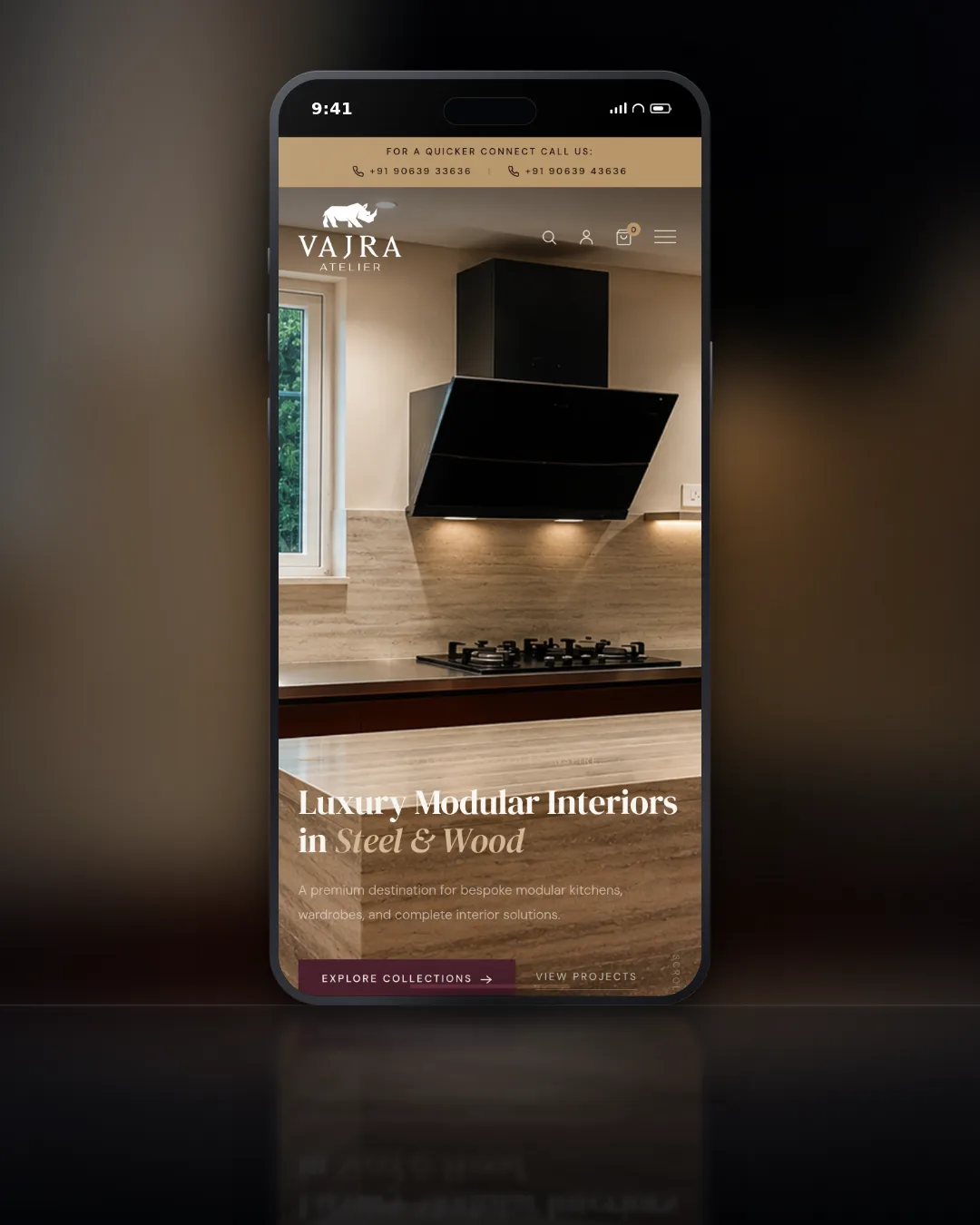
No accurate die-line
A flat mockup with no structural die-line means the printer cannot produce it correctly: text lands on fold lines and elements get cut off.
Flat mockupTrue die-line


Product packaging design for D2C and retail brands: boxes, cartons, labels and the full unboxing experience. You get print-ready CMYK files on accurate die-lines that any printer can produce, plus 3D mockups you can use in ads before the stock arrives.
Files any printer can produce.
Print-ready AI or PDF files with CMYK colour, bleed and die-line marks, in a format that is not locked to one vendor. Switch printers without redesigning.
CMYK
Print colour
AI/PDF
Print files
3D
Mockup renders
Why packaging fails
Most packaging problems are not about taste. They are production mistakes that only show up once a few thousand units are already printed.
A flat mockup with no structural die-line means the printer cannot produce it correctly: text lands on fold lines and elements get cut off.
Artwork made in RGB, the colour of screens, comes back from the printer dull, muddy or a different shade from the digital mockup.
Elements placed right at the edge with no bleed margin get trimmed unevenly, leaving thin white lines along the edges.
Files in a format only one printer can open, so changing print vendors means paying for the design again.
No realistic render to use in Meta Ads, product listings or social posts until the physical packaging is printed and shipped.
A plain box with a sticker, instead of packaging that feels like the brand customers already know from your website and ads.
What we design
From a single jar label to a complete unboxing kit, every piece is designed as part of your brand and prepared for production.
Shipping boxes, product cartons and mailer boxes on accurate die-lines, structurally correct for whichever printer you work with.
Box / Carton plan
Labels for jars, bottles and pouches, CMYK colour-accurate and sized to standard label printer specifications.
Label plan
Tissue paper, thank-you cards and interior pieces designed as one sequence, from opening the box to reaching the product.
Full Unboxing Kit
Photo-realistic renders of your packaging for Meta Ads, product photography and marketing before the physical stock arrives.
Box and kit plans
Structural die-lines with correct bleed, safe zones and fold marks: files any print vendor can produce without back and forth.
Every plan
Advice on recyclable and biodegradable material options where relevant, balanced against cost and how the pack presents.
On request
Print-ready files
A printer works from the die-line, not from a pretty render. Every file we hand over carries the marks a production team needs, so your first print run comes out the way it was designed.
Die-line on its own layer
Cut and fold lines kept separate from the artwork, so the printer can make the cutting tool from them.
Bleed beyond every trim edge
Background colour and images run past the cut line, so no white slivers appear after trimming.
Safe zone for text and logos
Important content kept away from folds and edges, where a small shift in production would cut it.
CMYK colour, or your Pantone codes
Artwork built in print colour from the start, matched to your Pantone references where you have them.
Open AI or PDF files
Standard formats every printer can open, so you can change vendors without redesigning.
Packaging types
A mailer box, a jar label and a pouch are designed and printed in different ways. Pick a format to see what we design and what we need from you.
The box a D2C order arrives in, and often the first physical touchpoint a customer has with your brand.
What we design
What we need from you
Retail cartons that sit on a shelf or in a marketplace photo, carrying the brand, the product and the details a buyer looks for.
What we design
What we need from you
Labels for jars, bottles and pouches, sized to standard label printer specifications and checked for how they wrap around a curved surface.
What we design
What we need from you
Stand-up and flat pouches for food, cosmetics and other D2C products, laid out on the converter's template so seals and gussets stay clear.
What we design
What we need from you
Tissue, wraps, thank-you cards and inserts that turn opening an order into a moment worth sharing.
What we design
What we need from you
Colour for print
Screens mix light (RGB), presses mix ink (CMYK), and some bright screen colours simply cannot be printed. Designing in CMYK from the start, or to your Pantone codes, means the box you approve on screen is the box that arrives.
RGB is for screens
Websites, ads and social posts. Bright, but not all of it can be reproduced in ink.
CMYK is for print
Boxes, labels and cards. We build every packaging file in print colour.
Pantone for exact brand colours
If you have Pantone references we design to them; if your colours only exist as hex values, we convert to the closest accurate CMYK.
What the design file shows on a bright laptop screen.
Why we design in print colour from the first concept.
Drag to compare. A simplified illustration of the shift, not a colour-accurate proof.
The unboxing experience
For a D2C brand the box is often the first thing a customer holds. Our Full Unboxing Kit designs each layer so the sequence feels intentional, not assembled from leftovers.
The first impression at the door: brand colour, logo placement and a message on the lid or inside flap.
A printed tissue or wrap that hides the product for one more second and adds texture to the reveal.
A short note in your brand voice, with care instructions, a social handle or a QR code to reorder.
Inserts that hold the product in place and present it the way it appears in your photography.
3D mockups
Printing takes time. A photo-realistic 3D render of the final packaging lets you run pre-launch ads, update product listings and post on social while the boxes are still at the printer.
Meta Ads creatives
Launch and pre-order campaigns with the real pack in the frame.
Product listings
Marketplace and website images that show the packaging buyers will receive.
Social posts
Teasers and launch posts from the same render files.
A final check
See the pack in three dimensions before you approve the print run.
How we work
Scope and dimensions are settled before any artwork, because a beautiful design on the wrong die-line is wasted money.
Step 1
Your product, the formats you need and the box or label sizes. No exact dimensions yet? We work from your printer's standard sizes or help you choose.
Step 2
Artwork directions built on the real die-line and in your brand identity, so every concept is something a printer can make.
Step 3
The chosen direction finished in CMYK with bleed, safe zones and fold marks, and checked panel by panel.
Step 4
Print-ready AI or PDF files for your printer and 3D mockup renders for marketing, delivered together.
Client work
A CI4 web application with Shield auth, a WordPress-style media picker, page builder sections, plus print-ready flyers and brochures.
Read the case studyCentralised
Media Management
Scattered to Single system
Self-managed
Page Edits
Dev required to Admin UI
Delivered
Print Collateral
None to Flyers + Brochures
Pricing
Fixed prices per design, agreed before work starts. Printing is quoted separately by your printer, and we can recommend vendors we have worked well with.
Label / Sticker Design
Per label design, ready for your label printer.
₹6K to ₹15K
1 week
Box / Carton Design
One box designed on an accurate die-line, with a 3D render.
₹18K to ₹40K
2 to 3 weeks
Full Unboxing Kit
Every piece of the unboxing designed as one experience.
₹35K to ₹75K
3 to 5 weeks
All prices exclude GST. Print production costs are separate and quoted by your printer.
Not sure what your pack needs?
Send us the product and where it sells. We suggest the formats, the sizes to ask your printer about and the plan that fits.
FAQ
If your question is not here, put it in the form and you will get a straight answer.
No. We design print-ready files, and production is handled by your chosen printer or packaging vendor. If you do not have one yet, we can recommend vendors we have worked well with. Because the files are in open formats, you are free to choose or change printers at any time.
It helps if you have a specific box or product size in mind, because it speeds things up. If not, we can work with your printer's standard sizes or help you choose suitable dimensions for your product during the scoping call, before any artwork starts.
Print-ready files in AI or PDF with CMYK colour, bleed and die-line markings. These are standard formats any printer can open and produce from, so you are not locked into one vendor. Box and kit plans also include 3D mockup renders for marketing.
Yes. If you have Pantone or CMYK brand colour codes, we design to those exact specifications. If your brand colours only exist as screen values such as hex codes, we convert them to the closest accurate CMYK equivalent and explain any colours that will shift in print.
A die-line is the flat outline of the package showing where it is cut, folded and glued. The printer uses it to make the cutting tool. Artwork designed without an accurate die-line puts text on folds or gets cut off, which is why every box we design starts from one.
A label or sticker usually takes about 1 week, a box or carton 2 to 3 weeks, and a full unboxing kit 3 to 5 weeks. Timelines are agreed in writing at the start and depend on how quickly feedback and printer specifications come back.
Yes. For new products we often design the packaging alongside the brand identity, so the box, label and website all feel like one brand. The 3D mockup renders let you start marketing the product before the first print run is ready.
Yes, where it is relevant. We can advise on recyclable and biodegradable material options and how they affect cost and the way the pack looks. The final material choice and its certification sit with your printer or packaging supplier.
Yes. The studio is in Jaipur and we design packaging for brands across India and abroad. Reviews happen on video calls, and the print-ready files and renders are delivered online, ready to send to your printer wherever it is.
The map pack is ranked on three things Google names publicly, and only two of them are yours to change. Here is what that means in practice for a Jaipur business, and which of the usual local SEO advice is a waste of your time.
Most of the risk in a WooCommerce to Shopify move is not the product data. It is the URL map, the things that were plugins and now have to be rebuilt, and in India the payment gateway, which does not come across at all.
Shopify handles a lot of technical SEO for you and leaves a specific set of problems it cannot fix. Here is which pages to fight for, the duplicate URL trap every store has, and what to do about supplier product copy.
Start your packaging
Tell us about your product. We reply with the formats you need, a fixed price and a timeline.
Free scoping call (30 min)
Your product, the formats and the sizes, with no commitment.
Fixed-price proposal
Scope, deliverables and timeline in writing.
Print-ready files and renders
Files any printer can produce, plus 3D mockups for marketing.
What you sell, the packaging you need and your printer, if you have one.
 Ads