

Legacy Modernisation:
The platform everyone
is afraid to touch.
Migrated, live.
CI3 to CI4. Legacy PHP to Laravel. Custom CMS to WordPress. WooCommerce to Shopify. Shared hosting to VPS. We migrate in parallel so your live site never goes offline, with a security audit and full documentation included as standard.
- Free 30-minute codebase review
- Fixed price before we start
- Docs included, always


Six migration types, one standard.
Parallel build, checksum-validated data, a security baseline and Notion documentation on every migration.
0
Downtime on cutover
6
Migration types
100%
Data validated
Signs your platform is legacy
Not an inconvenience. A liability.
The six most common symptoms of a platform that has outlived its usefulness. Each one compounds the others until staying costs more than migrating.
Nobody knows what breaks when you push a change
Three developers built it over 4 years, none wrote documentation and the last one left. You are scared to update anything because you do not know what is connected to what.
Your CMS is a spreadsheet and a prayer
Updating a product, a price or a page needs a developer or raw HTML edits. Your marketing team cannot touch the site without breaking something.
The platform runs on PHP 7.2 and CI3
PHP 7.2 reached end of life in 2019 and CI3 is unmaintained. You are running software with known unpatched vulnerabilities on infrastructure your host is about to stop supporting.
The codebase has no version control
Files are deployed over FTP. There is no Git history and no way to roll back a bad deployment. Every update is a live experiment with no undo button.
Shared cPanel hosting that keeps going down
A shared host with 99.2% uptime and no staging environment. Every change goes straight to production, and downtime costs orders you never recover.
It cannot integrate with modern tools
You want Razorpay, HubSpot or a WhatsApp API, but there is no REST API, no webhooks and no documentation. Every integration is a hack.
How we migrate
Six steps. Live site up the entire time.
From legacy codebase to modern platform, with the old site serving customers until the new one has passed every check.
-
Step 1
Codebase audit and map
We read every file, route and database table and document what exists, including integrations, dependencies and business logic, before touching a single line.
-
Step 2
Risk-ranked migration plan
Every feature is ranked: what can be rewritten cleanly, what must be ported exactly and what should be dropped. You approve the plan before development starts.
-
Step 3
Parallel build, zero downtime
The new platform is built alongside the old one. Your live site keeps running while the new one is developed, tested and staged. Cutover is a DNS switch.
-
Step 4
Data migration and validation
Users, orders, content and configuration migrated, every row validated, with checksums before and after. No cutover until data integrity is confirmed.
-
Step 5
Security hardening on the new platform
A security baseline on every new platform: OWASP essentials, CSRF, parameterised queries, file upload restrictions and Shield auth hardening for CI4 builds.
-
Step 6
Handover with full documentation
Living documentation in Notion: architecture, route map, database schema, environment setup, deployment process and third-party integrations.
Six migration types
Every platform we migrate from. And to.
Every migration starts with a codebase audit. We scope after reading your code, not before. All six are delivered at a fixed price.
Fixed price
CI3 to CI4 migration
Namespace refactoring, model rewrites, Shield auth integration, query builder upgrade and environment configuration, delivered with a security audit included.
Our web development service
Fixed price
Custom CMS to WordPress
From a bespoke PHP CMS to WordPress with ACF Pro: structured content, custom post types, flexible layouts and a marketing team that can update pages without a developer.
Our WordPress development service
Fixed price
Legacy PHP to Laravel
An unstructured PHP codebase rewritten as a clean Laravel application: MVC architecture, Eloquent ORM, Sanctum or Passport auth, a REST API layer and a full test suite.
Our web development service
Fixed price
Shared hosting to VPS or cloud
From cPanel shared hosting to a managed VPS or cloud: Nginx, PHP-FPM, MySQL, SSL, automated backups, a staging environment and a zero-downtime deployment pipeline.
Our web development service
Fixed price
WooCommerce to Shopify
Products, variants, collections, customers, orders and metafields moved to Shopify 2.0, with SEO redirects, a theme rebuild and payment gateway reconfiguration.
Our Shopify development serviceAPI modernisation
A REST API layer around your legacy platform without a full rewrite, enabling WhatsApp, Razorpay, HubSpot and mobile apps without touching the core application.
Our web development serviceOur standards
What every migration includes, by default.
0
Downtime on cutover
A DNS-switch cutover with a parallel build means your live site never goes offline during migration.
6
Migration types delivered
CI4, Laravel, WordPress, Shopify, VPS and API modernisation, across 8 client platforms.
100%
Data integrity
Checksum-validated data migration on every project. No missing orders, users or content.
Docs
Handover standard
A Notion-based technical documentation package on every migration: architecture, routes, database schema and deployment.
How long it takes
We scope after the audit, not before.
Typical durations by platform size. Your exact timeline is written into the fixed-price proposal once the audit is done.
Codebase audit
2 weeks
Small application, under 20 routes
4 to 6 weeks
Medium platform, 20 to 80 routes, multi-role
8 to 14 weeks
Large platform, complex logic or extensive data
14 to 24 weeks
Bars show the longest duration in each range, on a scale of 24 weeks.
Why us
Impulsebyte vs the alternatives.
What a legacy migration from our team in Jaipur, India includes, compared with a freelancer or a big agency.
Parallel build (old site stays live)
- Impulsebyte
- Yes
- Freelancer
- No
- Big agency
- No
Security audit included in migration
- Impulsebyte
- Yes
- Freelancer
- No
- Big agency
- Separate cost
Full documentation handover in Notion
- Impulsebyte
- Yes
- Freelancer
- Varies
- Big agency
- No
Fixed price before we start
- Impulsebyte
- Yes
- Freelancer
- No
- Big agency
- No
Data validation with checksums
- Impulsebyte
- Yes
- Freelancer
- No
- Big agency
- No
Zero-downtime cutover
- Impulsebyte
- Yes
- Freelancer
- Varies
- Big agency
- No
How we engage
Audit first. Build with confidence.
We never quote a migration without reading the codebase. The audit is the foundation: it determines the scope, the risk and the price.
Codebase Audit Only
2-week audit of your legacy platform - architecture map, dependency inventory, security gaps, and a risk-ranked modernisation roadmap. For organisations deciding what to do before committing budget.
Book a codebase auditFixed-Price Migration
Full platform modernisation at a fixed price agreed before we start. Parallel build, data migration with validation, security audit, and documentation handover. Most common engagement.
Book a codebase auditPhased Modernisation
For large or complex platforms - API layer first, then CMS modernisation, then infrastructure migration. Each phase scoped and priced separately. Revenue never stops.
Book a codebase auditFree 30-minute codebase review.
Before we quote anything, we look at your codebase with you for 30 minutes. No obligation.
Migrations
Platforms we have modernised.
JNV Sikar Alumni Association
A full public-facing alumni site plus a 3-tier role-based admin system in CI4 with Student, Super Admin, and Batch Coordinator roles.
Read the case study3 Live
User Roles
9
Admin Pages
8
Public Pages
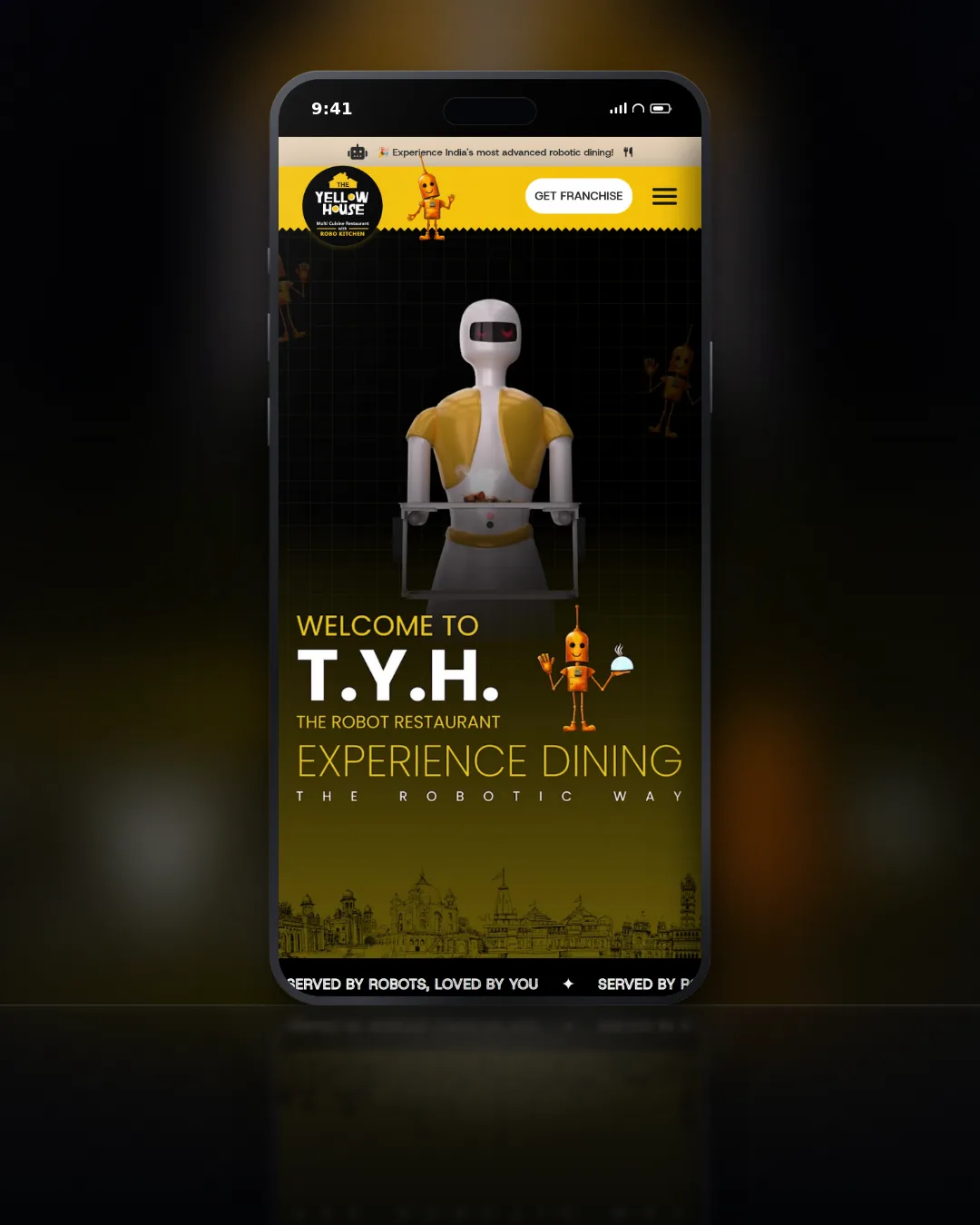
Food & Hospitality · Hospitality
Robot Restaurant India
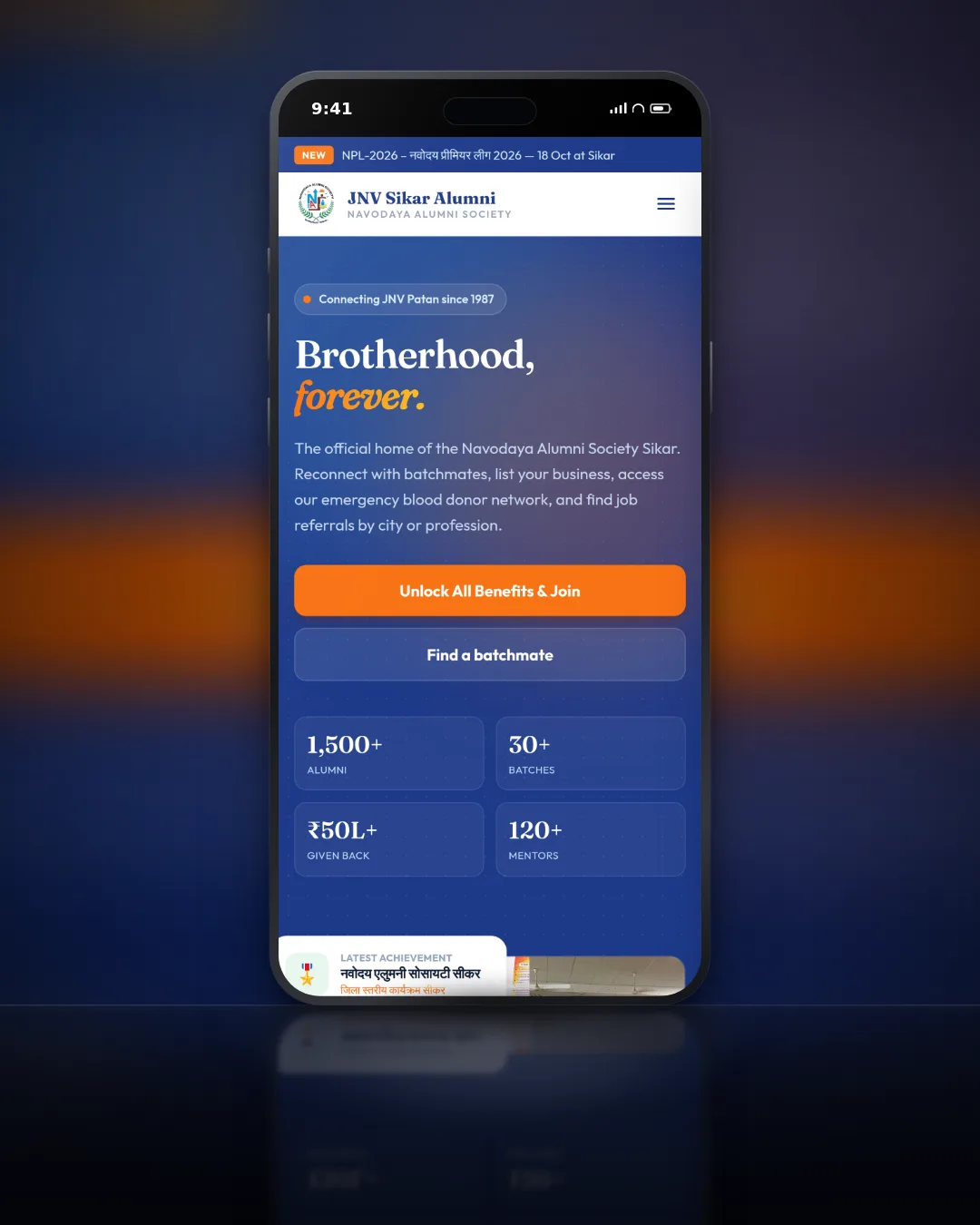
Education / Non-Profit · CodeIgniter 4
JNV Sikar Alumni Association
3 Live user roles
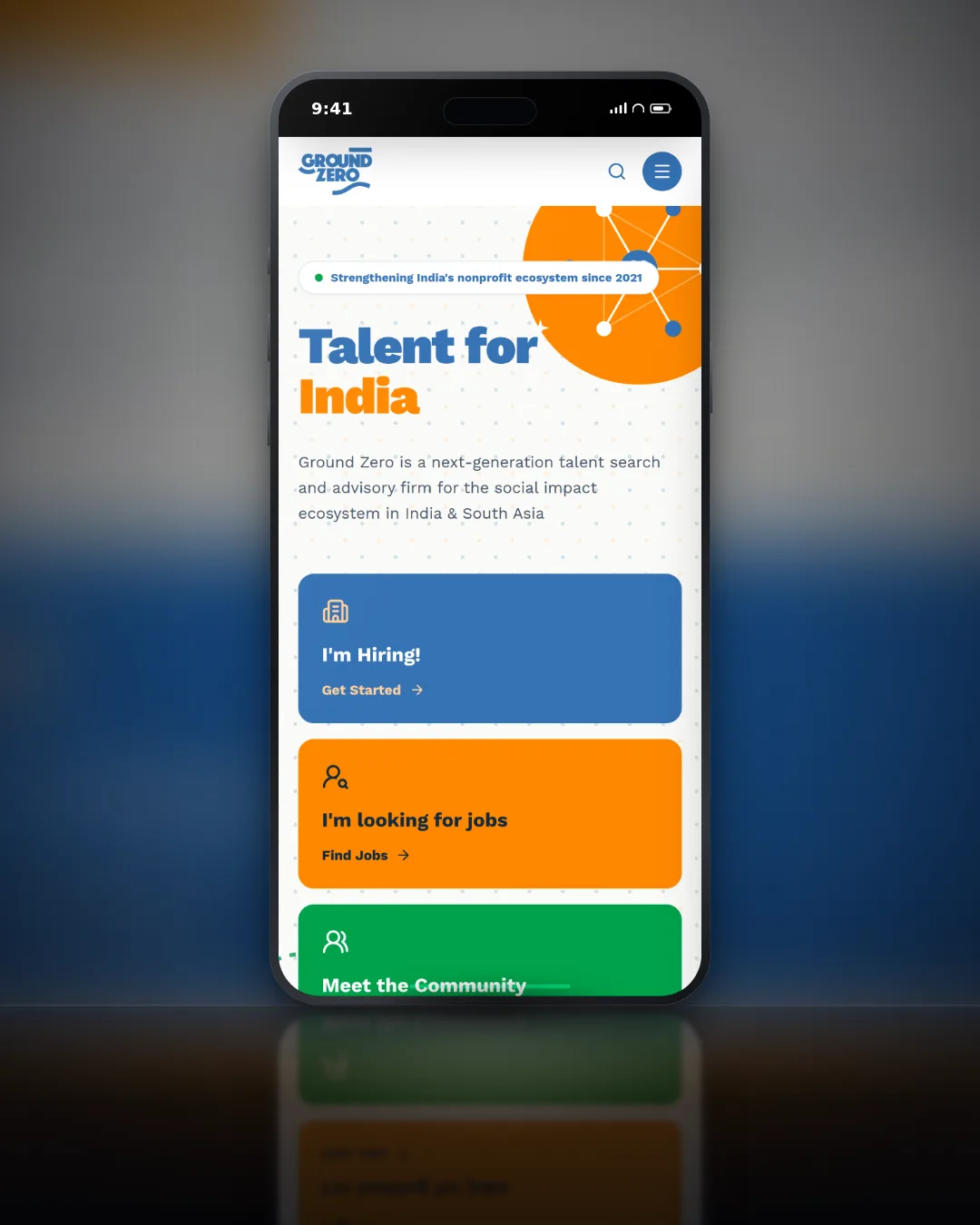
Talent Search & HR Advisory · Recruitment
Ground Zero
4 Live content modules

Luxury Interiors / Architecture · CodeIgniter 4
Vajra Atelier
Centralised media management
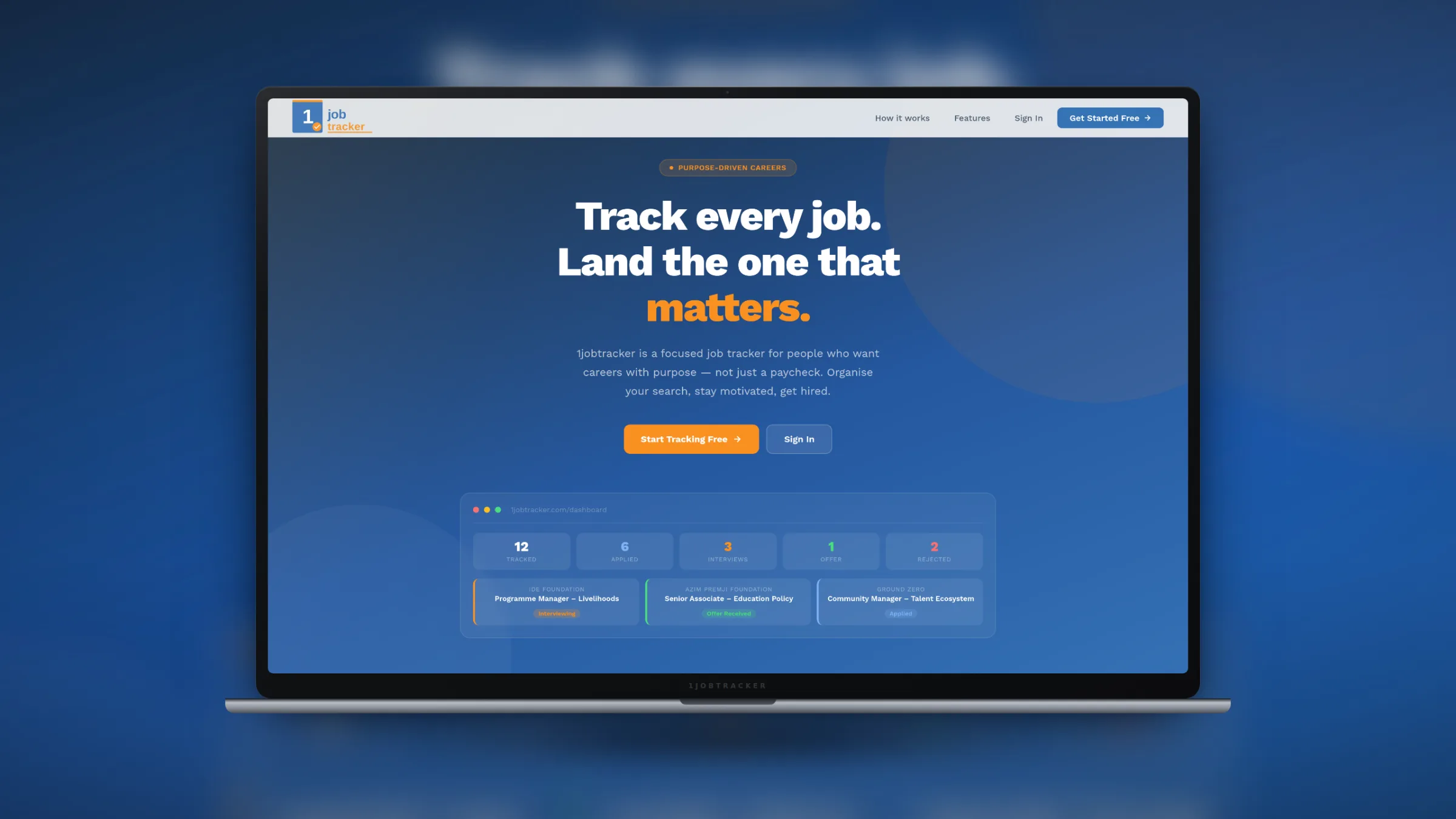
SaaS & Products · Laravel
1JobTracker
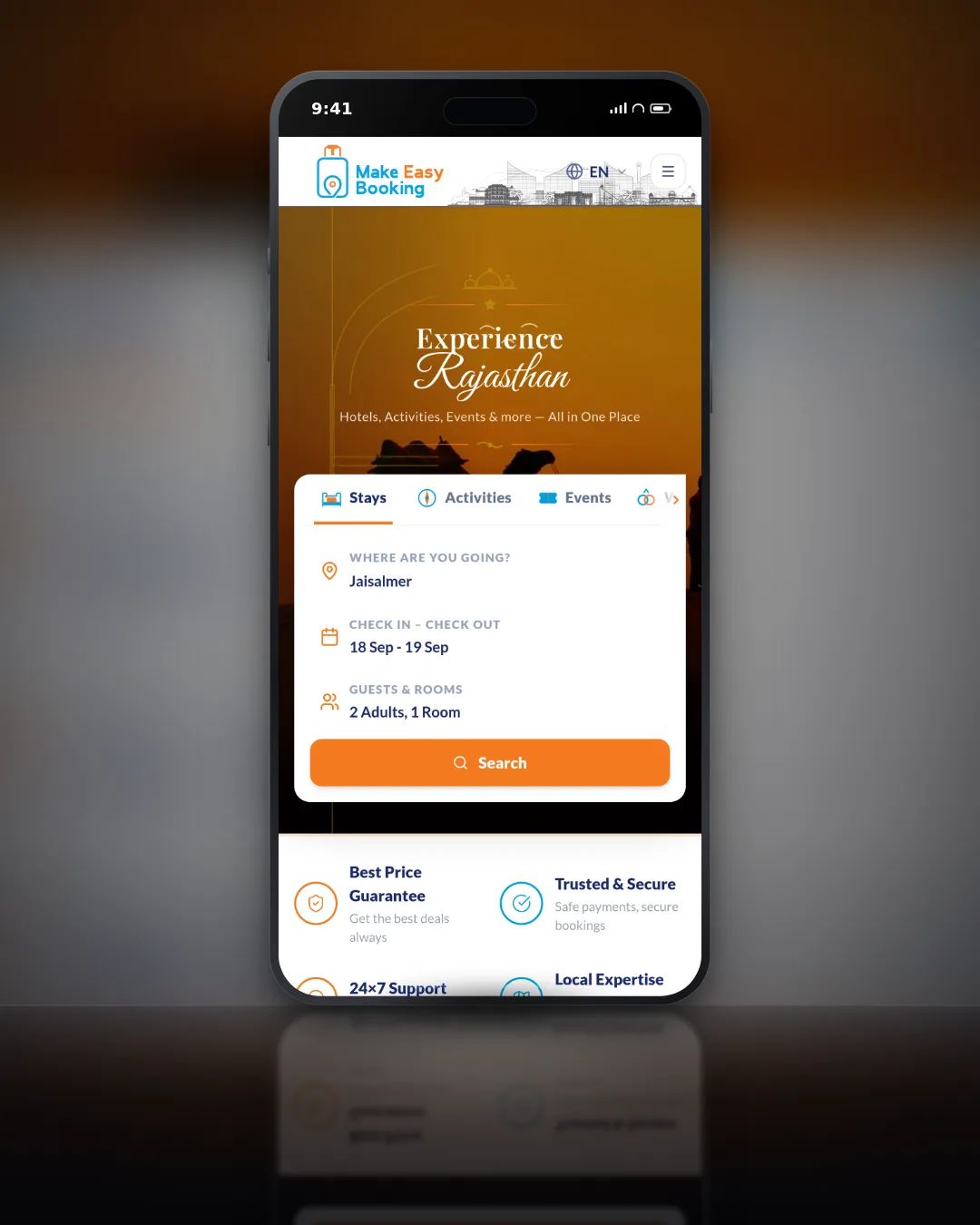
Travel & Tourism · Laravel
MakeEasyBooking
8 pages built
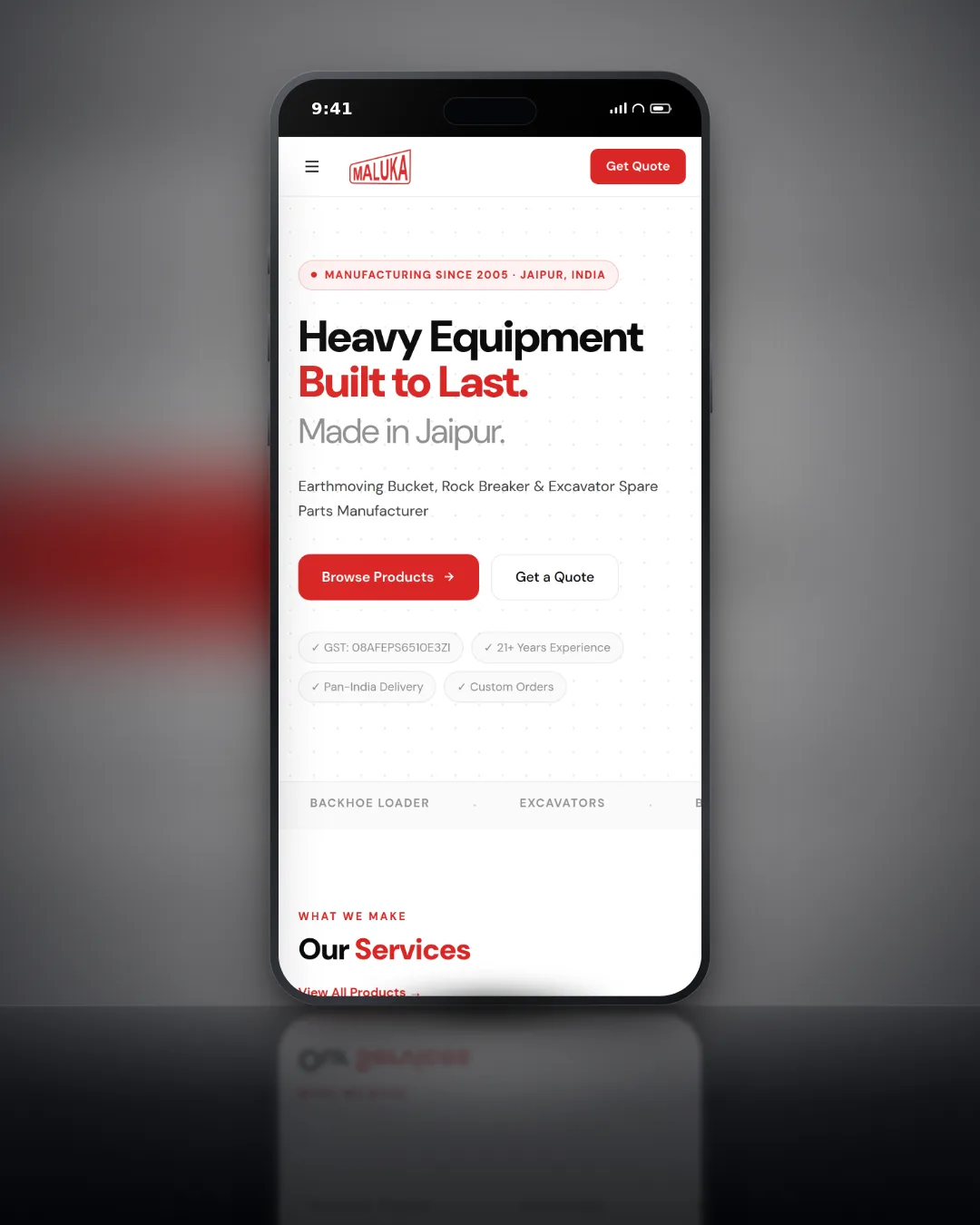
Heavy Equipment / Construction · CodeIgniter 4
Maluka Earthmovers
Hardened auth system
See every case study
Shopify, WordPress and custom builds, with the brief, the work and the result.
View all workFAQ
Questions about legacy migration projects.
Free 30-minute codebase review before we quote. No obligation.
Yes. We build the new platform in parallel, so your live site keeps running the entire time, and cutover is a DNS change. We stage the cutover for low-traffic hours and have a rollback plan ready in case anything unexpected happens in the first 24 hours after the switch.
We export your database, map every table to the new schema, migrate in a staging environment and run checksum validation on row counts, total revenue figures and user counts before any cutover. We do not go live until every number matches, so no orders, users or content are lost on the way.
Yes, and it is the most common situation. We start with a codebase audit that produces the documentation that should have existed. We read every file, every route and every database relationship before writing a single line of new code, and that documentation becomes part of your handover.
A migration moves what exists, meaning data, logic and integrations, to a modern platform while preserving behaviour. A rewrite starts from scratch and rebuilds from requirements. Most legacy modernisation projects are migrations with selective rewrites of the worst-designed parts. We recommend the approach based on the audit.
Yes, as standard. There is no point moving a broken security model to a new platform. Every migration includes an OWASP baseline check: CSRF protection, parameterised queries, file upload restrictions, session security and Shield auth hardening for CI4 builds, all included in the fixed price.
A codebase audit takes 2 weeks. A small application with under 20 routes takes 4 to 6 weeks, a medium platform with 20 to 80 routes and multiple roles 8 to 14 weeks, and a large platform with complex logic or extensive data 14 to 24 weeks. We scope after the audit, not before.
Six types: CodeIgniter 3 to CodeIgniter 4, a custom CMS to WordPress, legacy PHP to Laravel, shared hosting to a VPS or cloud server, WooCommerce to Shopify, and API modernisation that wraps a legacy platform in a REST API without a full rewrite. Every one starts with a codebase audit.
Because a migration quote without reading the code is a guess. The audit maps the architecture, dependencies, security gaps and business logic, and produces a risk-ranked modernisation roadmap. It determines the scope, the risk and the price, and it is useful on its own if you are still deciding what to do.
Living documentation in Notion: an architecture overview, the route map, the database schema, environment setup, the deployment process and every third-party integration. It is written so your next developer can pick up the platform without having to reverse-engineer it, which is exactly the problem a legacy platform usually has.
Reading that goes with this.
Local SEO for a Jaipur Business: Google Business Profile, Citations and the Map Pack
The map pack is ranked on three things Google names publicly, and only two of them are yours to change. Here is what that means in practice for a Jaipur business, and which of the usual local SEO advice is a waste of your time.

Moving From WooCommerce to Shopify: A Migration Checklist That Protects Your Rankings
Most of the risk in a WooCommerce to Shopify move is not the product data. It is the URL map, the things that were plugins and now have to be rebuilt, and in India the payment gateway, which does not come across at all.

eCommerce SEO for Shopify Stores in India: The Work That Actually Ranks Product Pages
Shopify handles a lot of technical SEO for you and leaves a specific set of problems it cannot fix. Here is which pages to fight for, the duplicate URL trap every store has, and what to do about supplier product copy.
Legacy modernisation
Your legacy platform is costing you more than a migration would.
Free codebase review. Fixed price before we start. Zero downtime on cutover. Full documentation at handover.
Free codebase review
30 minutes, before any quote.
Audit and fixed price
Scope, risk and price in writing.
Parallel build and cutover
Live site up the entire time.
Book a free codebase review
Tell us what the platform is built on, roughly how many routes or pages it has, where it is hosted and what you want it to become.