Variants that turn into chaos
Every fabric, finish and size becomes its own product, so the catalogue balloons, filters stop working and buyers cannot compare options on one page.


We build Shopify and WordPress stores for furniture makers, home decor labels and handicraft brands in Jaipur, across India and abroad. Fabrics, finishes and sizes that are easy to choose, product pages that show real scale, and delivery rules that work for a cushion and a three-seater sofa alike.





Built for products people measure before they buy.
Variants, dimensions, delivery rules and trade pricing handled in the store itself, so a buyer can decide without a phone call.
Where decor and furniture stores struggle online
Furniture and decor are considered purchases. These are the gaps we see most often on home brand websites, and the ones we fix first.
Every fabric, finish and size becomes its own product, so the catalogue balloons, filters stop working and buyers cannot compare options on one page.
A sofa photographed on white tells the buyer nothing about how it fits their room. Missing dimensions and room shots lead to hesitation and returns.
Bulky items need different delivery rules, but many stores show one flat rate or surprise the buyer at checkout. Both lose orders.
A large order needs payment options the buyer trusts, such as EMI or part payment where the gateway supports it, and a checkout that does not feel risky.
Interior designers, architects and hotels want bulk pricing and quotes. Without a trade route they email, call, or buy from someone else.
Buyers save a piece and come back weeks later. Without wishlists, reminders and abandoned cart flows, that interest quietly disappears.
What we build
From browsing by room to the delivery van at the door. Choose a stage to see what we build for it.
Living, bedroom, dining, outdoor and study collections, so a buyer furnishing one room sees everything that belongs in it.
Material, finish, colour, size and price filters built on clean product data instead of tags added by hand.
Synonyms and spelling variants, so "settee", "couch" and "sofa" all find the same pieces.
Fabric, finish and size picked on one product page, with the photo, price and stock changing as the buyer chooses.
Width, depth and height shown clearly, room photos, and 3D or AR product media where you have the models.
Wood type, fabric care, assembly notes and warranty terms placed where the question comes up.
A pincode check on the product page and delivery charges that follow the size and weight of the order.
Razorpay, PhonePe or Cashfree checkout, with EMI and pay later options where your gateway offers them.
Assembly, extended warranty or cushion sets offered in the cart, not on a call after the order.
Dispatch, tracking and delivery slot messages sent automatically, so your team is not answering "where is my order" all day.
A review request after delivery, with customer photos of the piece in a real home shown on the product page.
Saved pieces, back in stock alerts and abandoned cart emails for buyers who need a few weeks to decide.
Variants and catalogue structure
We plan the catalogue before we build it: which options are variants, which are separate products, and which details live in structured fields. The result is a store your team can update without breaking filters, and pages a buyer can actually compare.
Swatch pickers
Fabric and finish shown as swatches, not a long dropdown.
Photos per option
The gallery switches to the chosen colour or finish.
Structured product data
Dimensions, materials and care stored as fields, reused everywhere.
Sets and bundles
Dining sets and room bundles priced and stocked correctly.
Bulk catalogue uploads
Spreadsheet imports for large catalogues and seasonal ranges.
Fast galleries
Large images resized and lazy loaded so pages stay quick on mobile.
Shipping large items
We set up delivery rules that match how you actually ship: a courier partner such as Shiprocket for small decor, weight bands for medium pieces, and your own team or a freight partner for furniture. The buyer sees whether you deliver to their pincode, and roughly when, on the product page.
Pincode check before the cart
No surprise at checkout when an area is outside your delivery coverage.
Charges by size or weight
Shipping that follows the order, set per product type in the store.
Delivery slots and updates
Slot confirmation and tracking messages sent on WhatsApp or email.
Trade, bulk and B2B
Interior designers, architects, hotels and retailers buy differently from a home owner. We build a trade route next to the retail store, so bulk buyers get quotes and pricing without slowing down everyone else.
An application form for studios and businesses, approved by your team before trade prices show.
On Shopify Plus, native B2B catalogues and price lists. On other plans, tagged customer pricing or a quote flow.
A request for quote cart for large or custom orders, sent to your sales team with every detail.
Custom size or fabric requests captured as structured enquiries, not loose emails.
Choosing a platform
We build on all three. The right one depends on your catalogue, how you sell to trade buyers and who runs the store day to day. Here is how we usually compare them for a home brand.
| Compared |
Shopify |
WooCommerce |
 Custom build |
|---|---|---|---|
| Hosting and updates | Hosted and maintained by Shopify | Self-hosted, you or we keep it updated | Self-hosted, built and maintained by us |
| Variants and swatches | Native variants, swatches through the theme | Native variations, swatches through plugins | Any structure you need |
| Trade and B2B | Native B2B on Shopify Plus, quote flows on other plans | Through plugins and custom code | Built to your exact trade rules |
| Content and lookbooks | Good, with theme sections | Strong, WordPress is built for content | Whatever we design |
| Best fit | Brands that want a fast launch and low upkeep | Content-heavy brands already on WordPress | Unusual configurators or workflows |
Swipe the table to see every column.
Services for home brands
Each service has its own page with scope, process and pricing.
Our approach
Most problems on a furniture store start with messy product data. We sort the catalogue structure first, then build the store around it, then bring buyers in.
Step 1
We map your products, options, materials and delivery rules, and decide what is a variant, a product or a field before anything is built.
Step 2
Room collections, swatch pickers, dimension tables and a checkout that suits large orders, designed in Figma and built on your chosen platform.
Step 3
Catalogue import, payment and courier setup, testing on real phones, and a handover so your team can add products themselves.
Step 4
SEO for room and material searches, catalogue ads on Meta, abandoned cart flows and review capture after delivery.
Who we work with
We work from Jaipur, a city known for its furniture, textiles and handicrafts, with home brands across India and abroad.
Workshops and factories selling direct, with made to order and custom size requests.
Lighting, textiles, tableware and accents with large, frequently changing ranges.
Handmade pieces with stories worth telling, sold in India and to buyers overseas.
Stores with a physical showroom that want an online catalogue and enquiries.
Tech stack
Shopify
Stores and B2B
WooCommerce
WordPress stores

WordPress
Content and lookbooks
Laravel
Custom builds

Figma
Design first
Razorpay
Payments

PhonePe
UPI checkout
Shiprocket
Courier shipping

Klaviyo
Email flows
Order updates
Case studies
A full public-facing alumni site plus a 3-tier role-based admin system in CI4 with Student, Super Admin, and Batch Coordinator roles.
Read the case study3 Live
User Roles
9
Admin Pages
8
Public Pages

Food & Hospitality · Hospitality

Fashion Accessories · Shopify
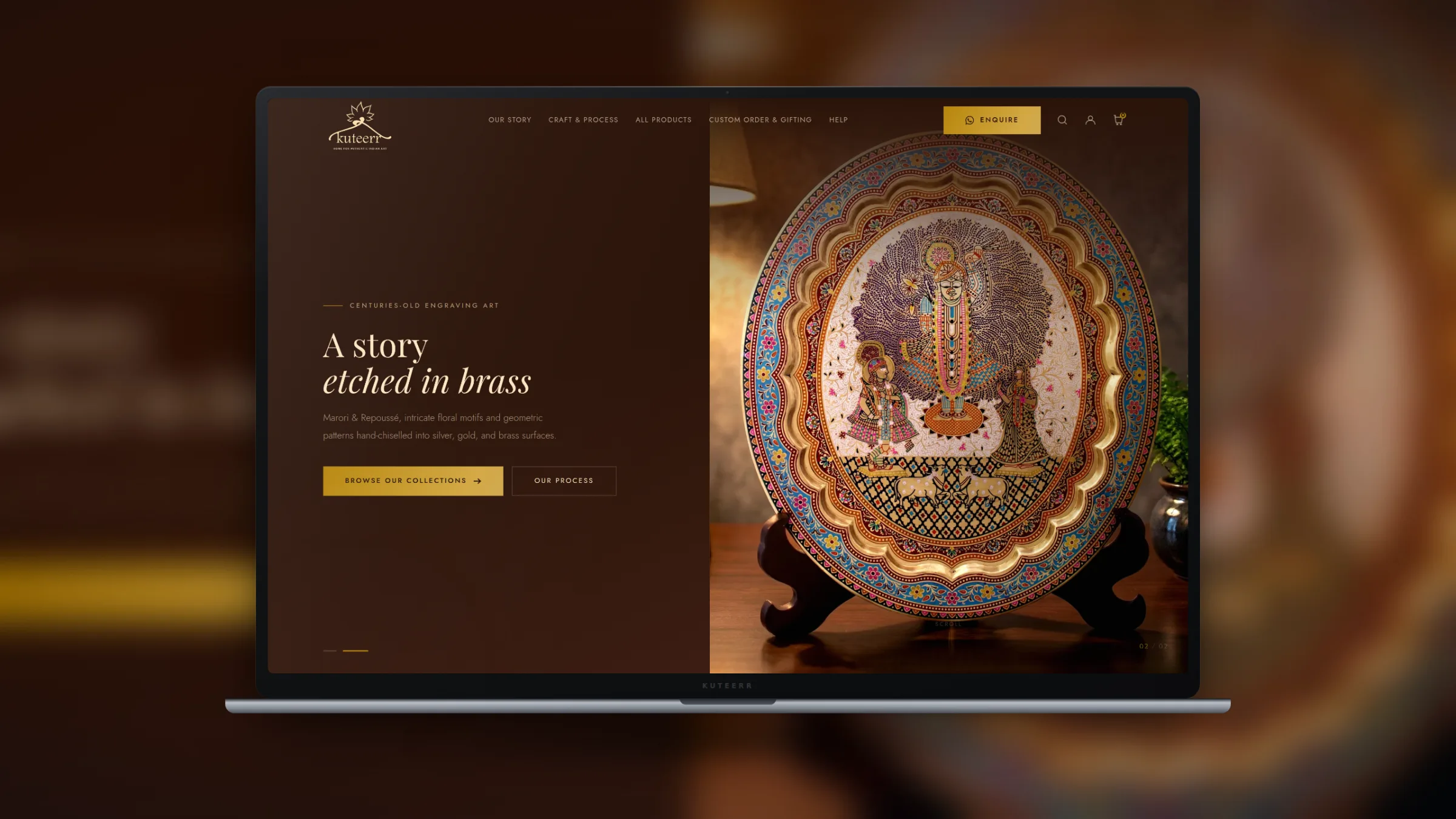
Handicrafts & Decor · Shopify
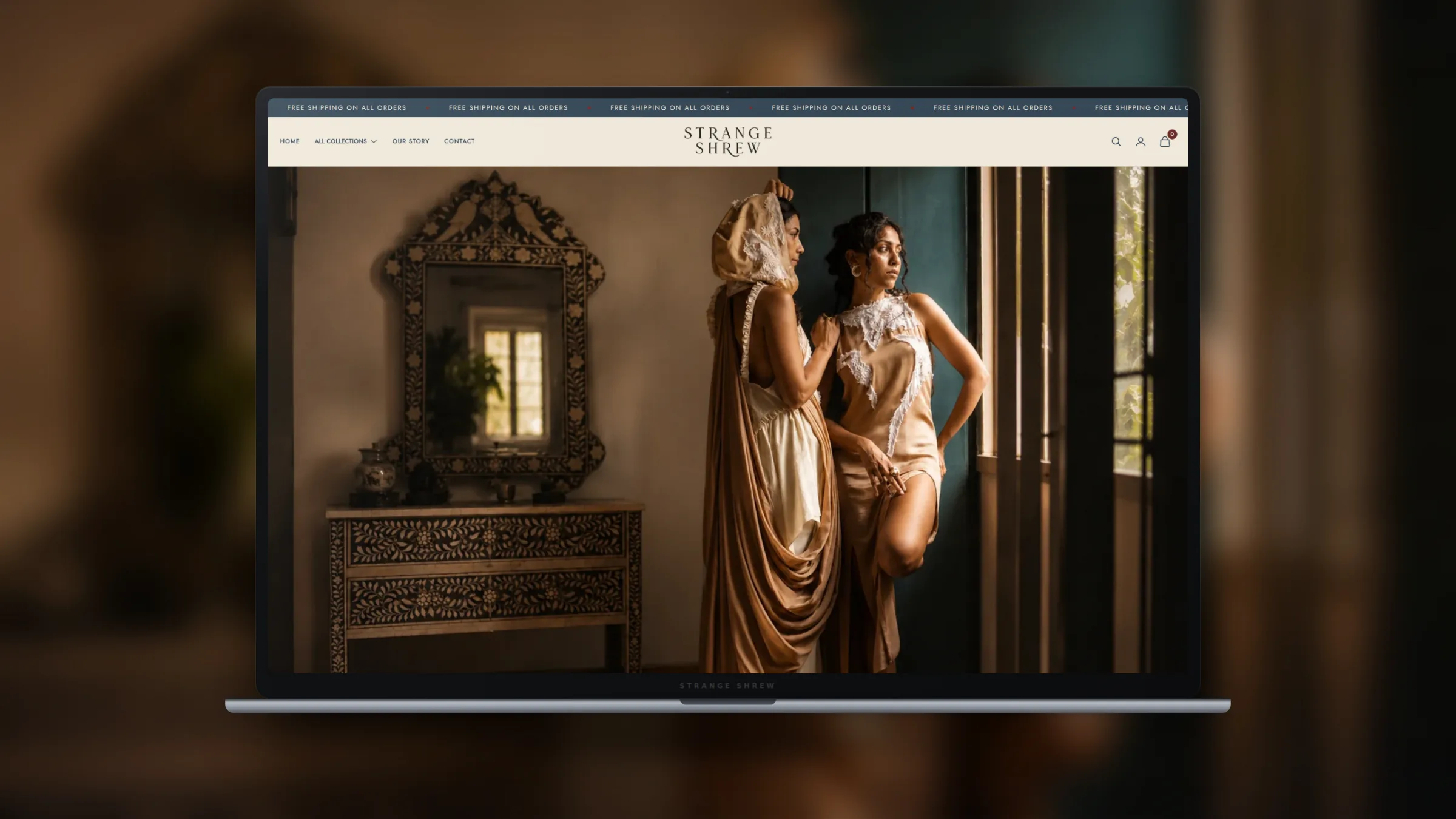
Fashion & Apparel · Shopify

Fashion & Apparel · Shopify

Education / Non-Profit · CodeIgniter 4
3 Live user roles
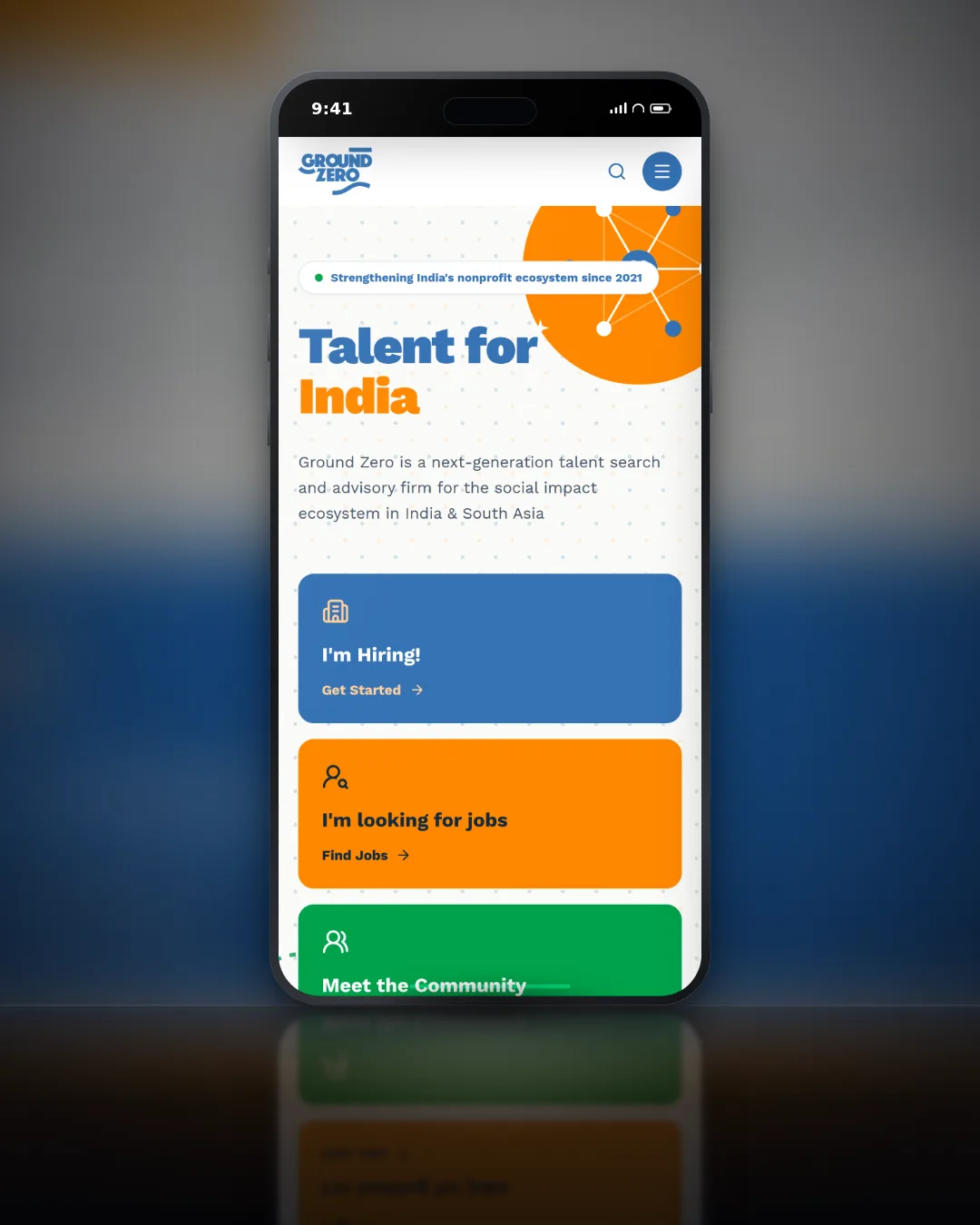
Talent Search & HR Advisory · Recruitment
4 Live content modules

Luxury Interiors / Architecture · CodeIgniter 4
Centralised media management
See every case study
Shopify, WordPress and custom builds, with the brief, the work and the result.
View all workFAQ
If your question is not here, put it in the form below. We respond within 1 business day.
Yes. We plan which options are variants and which are separate products before building, then show them as swatches and size buttons on one page. The photo, price and stock change as the buyer chooses, and filters keep working because the details are stored as structured product data rather than loose tags.
We set delivery rules by product type. Small decor can go through a courier partner such as Shiprocket, medium pieces can use weight bands, and furniture can be marked for your own team or a freight partner. A pincode check on the product page tells the buyer early whether you deliver to them.
Yes. On Shopify Plus we use the native B2B features, with trade catalogues and price lists for approved accounts. On other Shopify plans and on WooCommerce we build a trade sign-up with tagged pricing or a request for quote flow, so bulk buyers get a proper route without confusing retail customers.
Shopify suits brands that want a fast launch and little technical upkeep, since hosting and updates are handled for you. WooCommerce suits brands that already run on WordPress and publish a lot of content. A custom Laravel build makes sense only for unusual configurators or workflows. We recommend one after looking at your catalogue and team.
Shopify supports 3D models and augmented reality viewing on supported phones as product media. If you have 3D files of your pieces, we add them to the product pages and make sure they load without slowing the page down. If you do not have models yet, room setting photos and clear dimension tables do much of the same job.
Gateways such as Razorpay, PhonePe and Cashfree offer EMI and pay later options on eligible cards and accounts. We set up the gateway you choose and turn on the options it supports. COD rules, such as limits by order value, can also be set so risky large orders are prepaid.
Yes. We import products, variants, images and details from spreadsheets or from your current store, clean up the structure on the way, and keep your existing URLs redirected so search rankings are not lost. Your team gets a template for adding new ranges in bulk after launch.
We add wishlists, back in stock alerts and abandoned cart flows by email and WhatsApp, and retargeting through Meta catalogue ads. Reviews with customer photos on the product page help too, because a buyer can see the piece in a real home before committing to a large order.
Yes. Made to order items can show a longer dispatch time on the product page, and custom size or fabric requests can be captured through a structured enquiry form that goes straight to your sales team with every detail, instead of arriving as a loose email.
Yes. We work from Jaipur with brands across India and in other countries. For international buyers we set up multi-currency display, international payment options and shipping rules by country, alongside the Indian checkout. All work is done remotely, with calls and WhatsApp updates throughout the project.

The map pack is ranked on three things Google names publicly, and only two of them are yours to change. Here is what that means in practice for a Jaipur business, and which of the usual local SEO advice is a waste of your time.
Most of the risk in a WooCommerce to Shopify move is not the product data. It is the URL map, the things that were plugins and now have to be rebuilt, and in India the payment gateway, which does not come across at all.

Shopify handles a lot of technical SEO for you and leaves a specific set of problems it cannot fix. Here is which pages to fight for, the duplicate URL trap every store has, and what to do about supplier product copy.
More industries
Let's talk about your store
Free 30-minute consultation. Tell us about your catalogue, how you deliver and who buys from you, and we respond within 1 business day.
Free 30-minute consultation
Your catalogue, delivery and where buyers drop off.
A written plan and quote
Scope, timeline and price in writing before work starts.
Catalogue first, then the store
Structure, build, import and launch.
Share your website or catalogue and the platform you use today. We reply with what we would build first.