

01
Sizing that changes by sport
Cricket gear, football boots and fitness apparel all size differently. One generic chart confuses buyers and drives returns.
Shopify stores, performance marketing and CRO for sports equipment retailers, fitness apparel brands and athletic gear businesses. Built for a knowledgeable buyer who wants the specs, the right size and a fast page, usually on a phone.





The store, the ads and the tracking, from one team.
We fix the store's technical foundation before money goes to ads, because a slow product page or a confusing size guide sinks even the best campaign.
Where sports stores struggle
Sports buyers know what they want. When the store cannot show them the right size, the right spec or the right category quickly, they buy from a bigger brand instead.
Cricket gear, football boots and fitness apparel all size differently. One generic chart confuses buyers and drives returns.
Collections by product type, when buyers look by sport, activity or use. Finding the right gear takes too long.
Buyers browse on their phones, often between workouts. A heavy page with unoptimised images loses those short sessions.
Durability, technical specs and endorsements are what win against established names, and generic copy does not say them.
Without the analytics set up, a store cannot see where buyers drop off between cart and checkout, so it cannot fix it.
Meta and Google Ads without proper conversion tracking means budget follows guesswork, not what sells profitably.
What we build
From the theme to the ad account to the size chart, each part is built for how sports gear is actually bought.
Custom Shopify themes with sport-based navigation, size guides per category and mobile-first product pages, the same features we built into Pro Ase Sports' Shopify 2.0 theme.
More on Shopify developmentCampaigns tracked to ROAS with proper conversion tracking, retargeting for cart abandoners and creative testing across gear and apparel.
More on paid adsConversion audits that find the real friction points. For Pro Ase Sports that meant a rebuilt product page and a theme rewritten for speed.
More on Shopify CROCategory size charts for cricket, football, running and fitness apparel, with clear measuring instructions, to cut size-related returns.
More on Shopify theme designSEO for sport and equipment search terms, structured product data, and gear guides and buying advice that rank.
More on eCommerce SEOGA4 and Meta Pixel set up with funnel tracking, so ad spend and CRO decisions are based on real data.
More on Meta Ads managementSize guides per sport
Each category gets its own guide, written for that sport and opened in a drawer on the product page. These are the points a guide usually has to cover.
Bats, pads and gloves are sized to the player, not to a shoe chart. Buyers need to know which size suits their height and age group.
Bat size by player height
Junior sizes through Harrow to full size, with the height range each one suits.
Handle length
Short handle and long handle explained, with who each one is for.
Pads and gloves
Youth and adult sizes, and left or right handed where it applies.
Weight and pick-up
Listed in the specs, because serious players shop by it.
Boots are bought by size and by the surface they are played on. Getting the surface wrong is as costly as getting the size wrong.
UK, EU and US conversion
One table, so buyers do not guess between systems.
Foot length in centimetres
The most reliable way to pick a size online.
Width and fit notes
Whether a model runs narrow or true to size.
Stud type by ground
Firm ground, soft ground, artificial grass and turf, explained simply.
Feet swell on a run, so a running guide is about room, not just a number on the box.
How to measure
Heel to longest toe, standing, ideally later in the day.
Toe room
Why runners usually want some space in front of the longest toe.
Half sizes and width
Which sizes and widths a model comes in.
Use of the shoe
Road, trail or gym, so buyers pick the right model first.
Activewear fit depends on the cut as much as the size. A buyer choosing compression wear needs different advice from one choosing a loose tee.
Body measurements
Chest, waist and hip, with a simple picture of where to measure.
Fit type
Compression, slim and regular fits explained side by side.
Between two sizes
Clear advice on whether to size up or down for each fit.
Fabric and stretch
What the material does, so fit expectations are right.
Ads and tracking
Before budget goes up, the tracking goes in. GA4 and Meta Pixel are set up with funnel events, so you can see which campaigns sell and where buyers leave the checkout.
GA4 funnel tracking
Product view to purchase, step by step.
Meta Pixel and server-side events
Purchases reported back to Meta properly.
Google Ads conversions
Search and shopping campaigns judged on sales.

Heatmaps
Where buyers tap, scroll and stop.
Then the campaigns: retargeting for cart abandoners, creative testing across gear and apparel, and a clean catalogue feed behind dynamic ads.
Seasonal demand
Sports gear sells in seasons. Campaigns and stock are planned around when each sport's buyers are actually shopping, so spend and inventory meet demand rather than chase it.
Bats, pads and kit pushed ahead of the season, with size guides and stock checked before ads go live.
Running shoes, apparel and accessories brought forward for training blocks and race days.
Gym gear and activewear lined up for the festive and New Year push, when fitness goals are set.
Our approach
Sports buyers browse fast and abandon faster. So the store is fixed before a single rupee goes to ads, and growth is built on top of a page that converts.
Step 1
Shopify 2.0 rebuild, sport-based navigation and mobile product page optimisation, so the store holds buyers browsing between workouts.
Step 2
Size guides per category, clearer spec and durability copy, and checkout fixes for the reasons sports shoppers abandon carts.
Step 3
Meta and Google Ads with proper conversion tracking, retargeting for cart abandoners and creative testing across gear and apparel.
Step 4
SEO for sport and equipment searches, gear guides and buying advice that keep bringing in buyers after the ads stop.
Pro Ase Sports
We rebuilt Pro Ase Sports' entire Shopify 2.0 theme. The theme was rewritten for speed, and the product pages were restructured around size guides and stock status, with sport-based navigation across the catalogue.
Theme rebuilt for speed
Oversized product imagery, leftover app scripts and render-blocking assets cleaned out, so category pages load on a phone without a wait.
Product page rebuilt
Size charts, sport-specific fit notes, stock status and reviews moved above the fold, with a variant picker that works on mobile.
Ad accounts restructured
Meta and Google campaigns consolidated, server-side tracking fixed and creative rotated against a clean catalogue feed.
Size guides per sport
Measurement guides written for each sport, so fit questions are answered before checkout rather than at the returns desk.
The work we typically do on a sports and fitness store. The case study on our work page lists what was changed for Pro Ase Sports.
Tech stack
Shopify
Shopify Liquid
 Vanilla JS
 Tailwind CSS
 Figma
 PHP
 Laravel
 MySQL
 Git
Meta Ads Manager
Google Ads
GA4
Razorpay
 WhatsApp Business API
Hotjar
Sports work
A full public-facing alumni site plus a 3-tier role-based admin system in CI4 with Student, Super Admin, and Batch Coordinator roles.
Read the case study3 Live
User Roles
9
Admin Pages
8
Public Pages
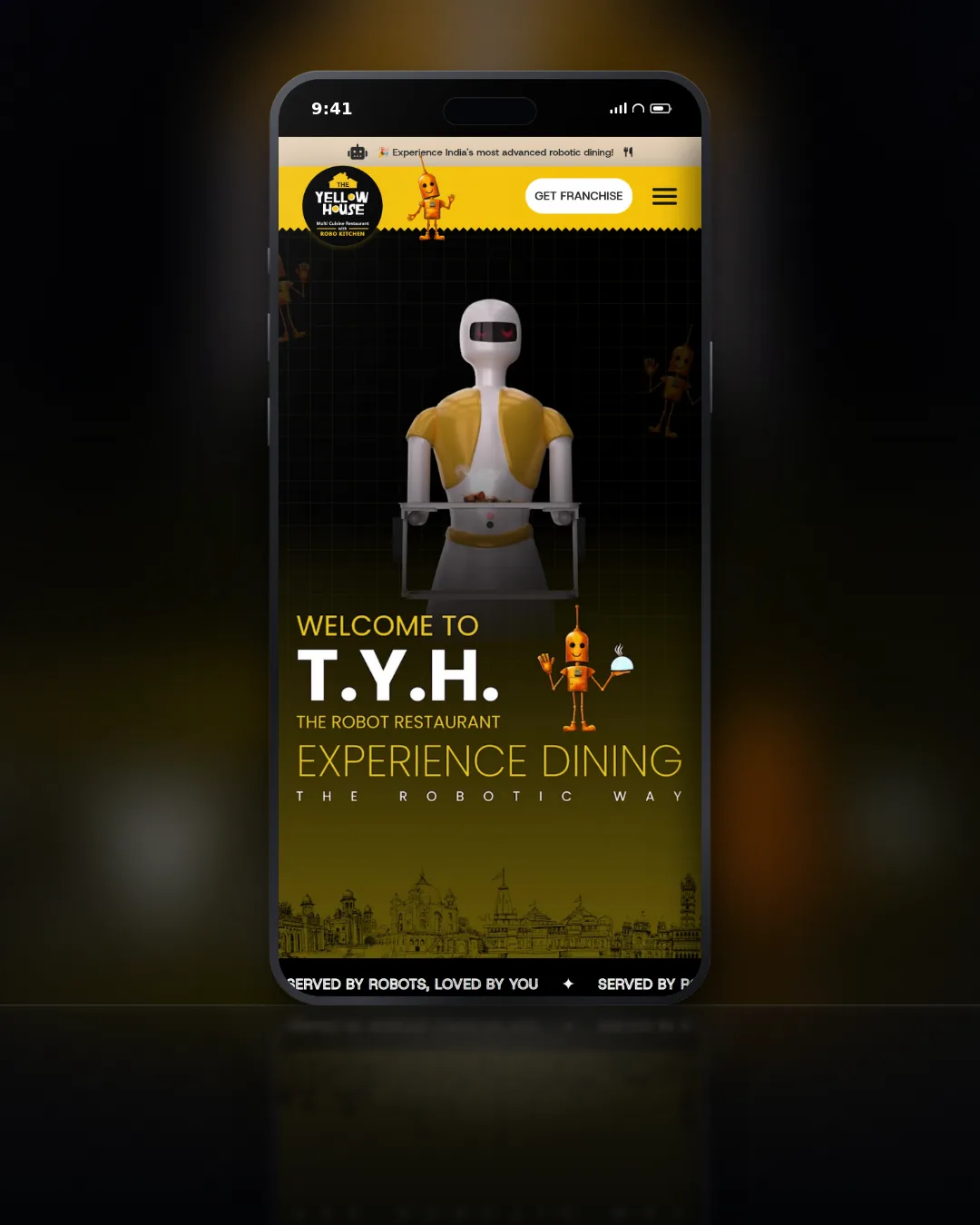
Food & Hospitality · Hospitality
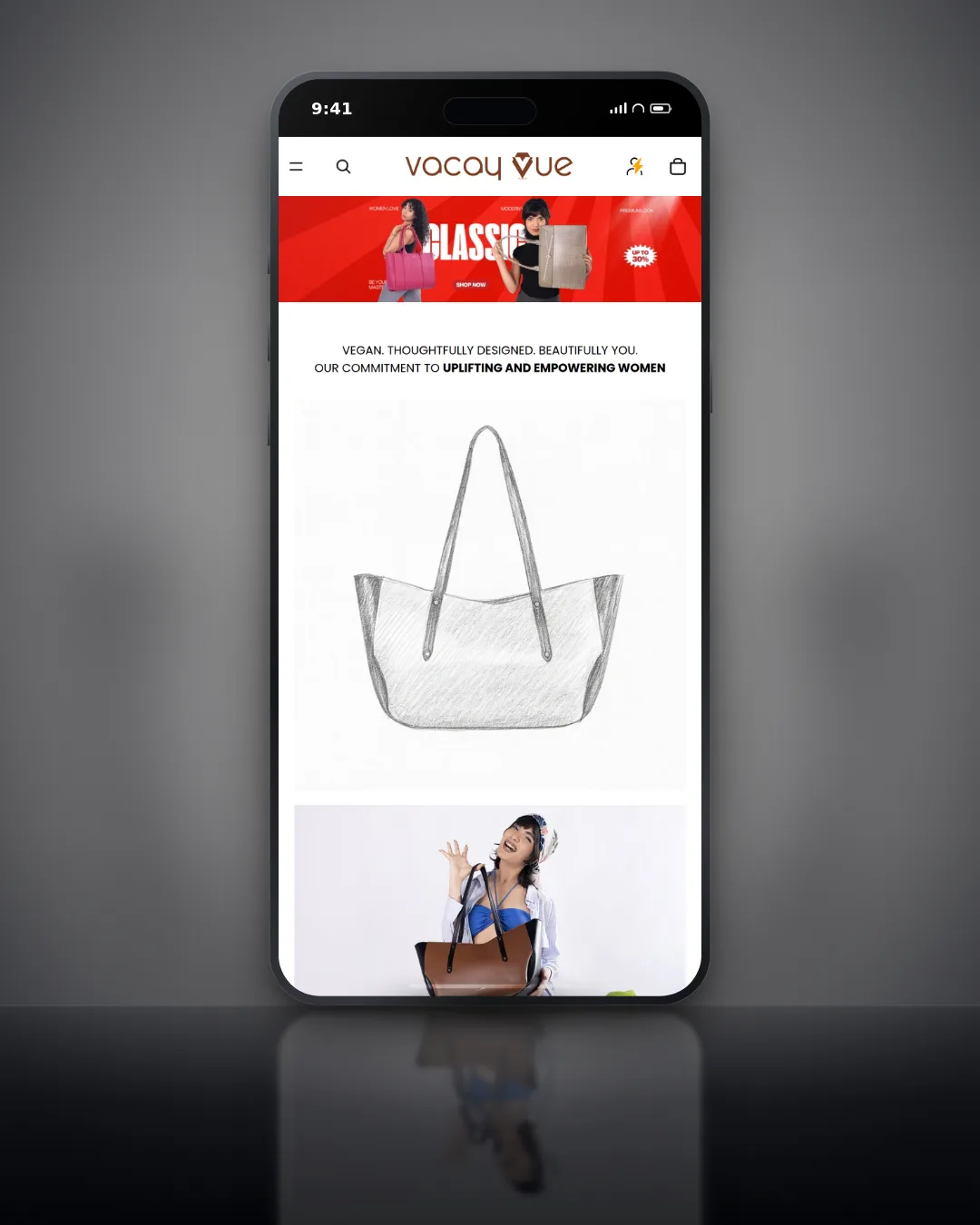
Fashion Accessories · Shopify
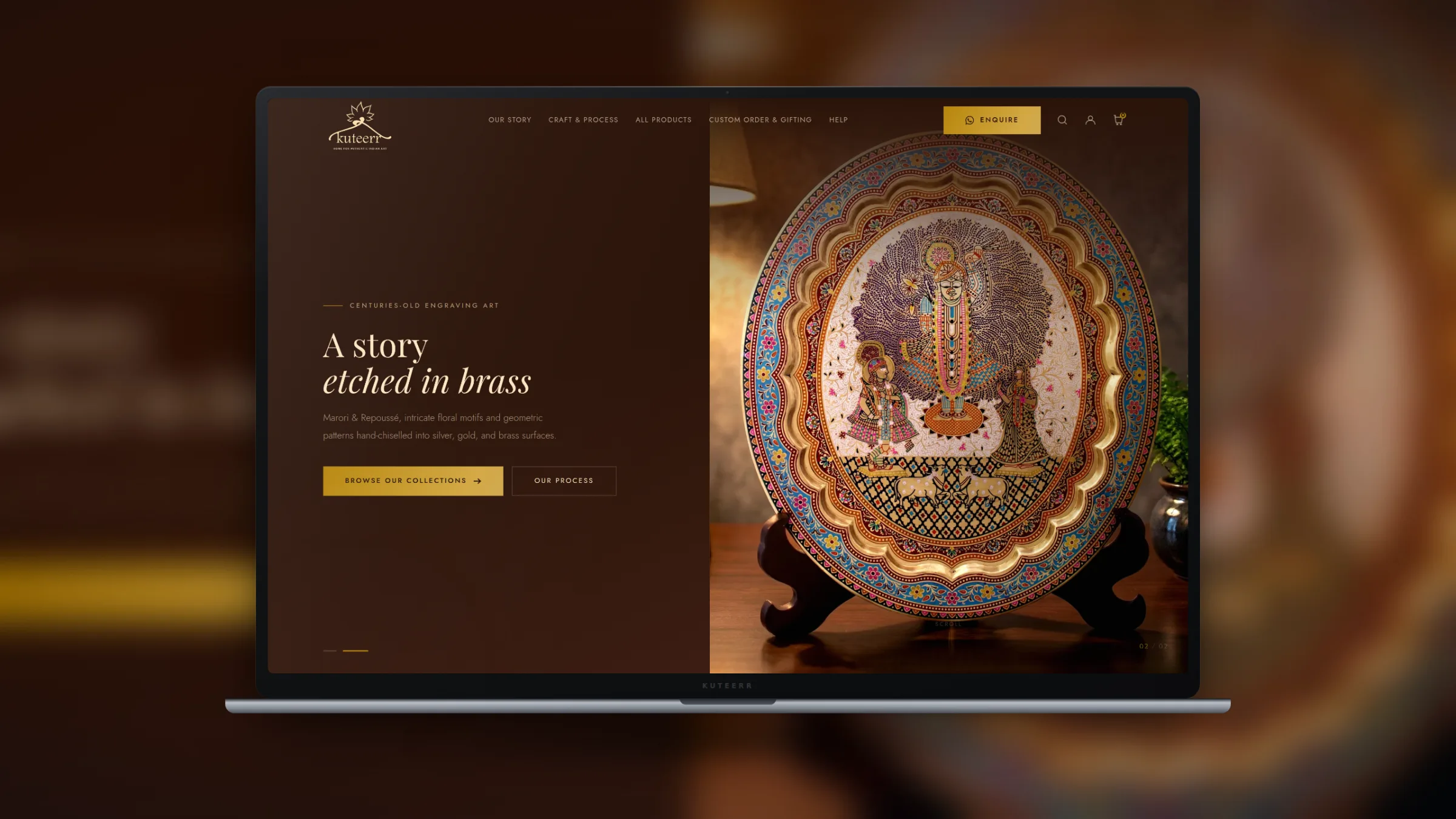
Handicrafts & Decor · Shopify
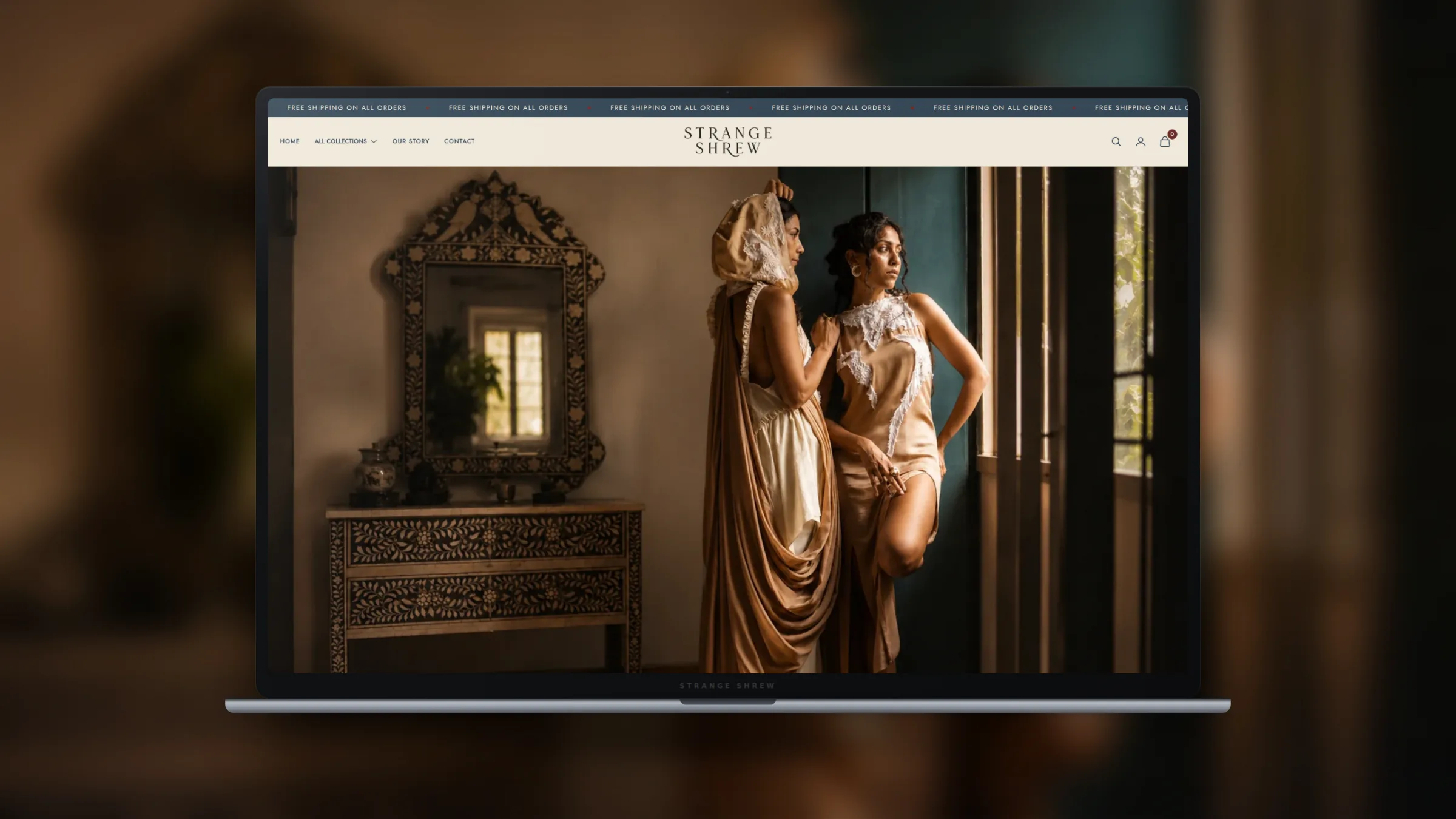
Fashion & Apparel · Shopify
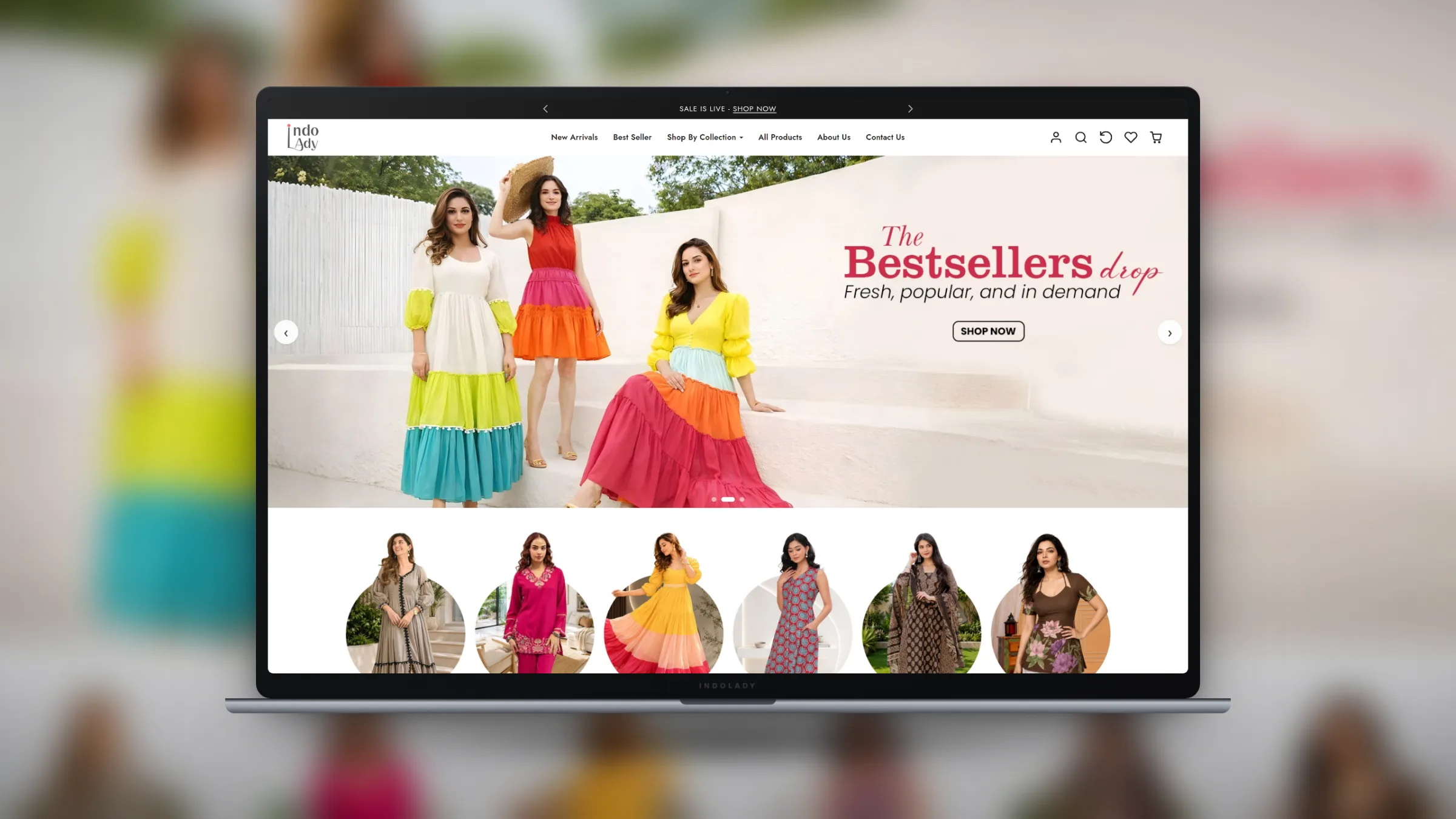
Fashion & Apparel · Shopify
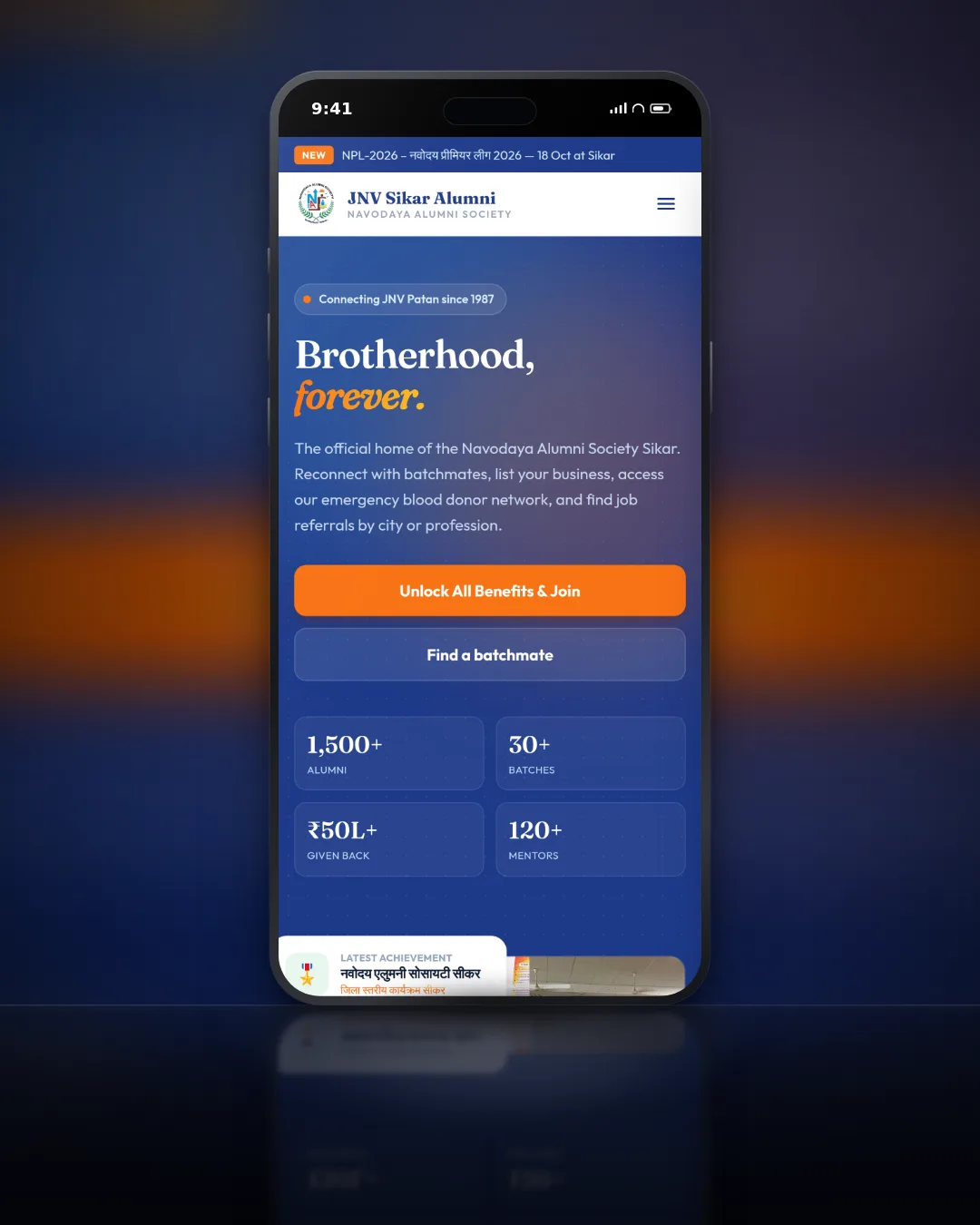
Education / Non-Profit · CodeIgniter 4
3 Live user roles
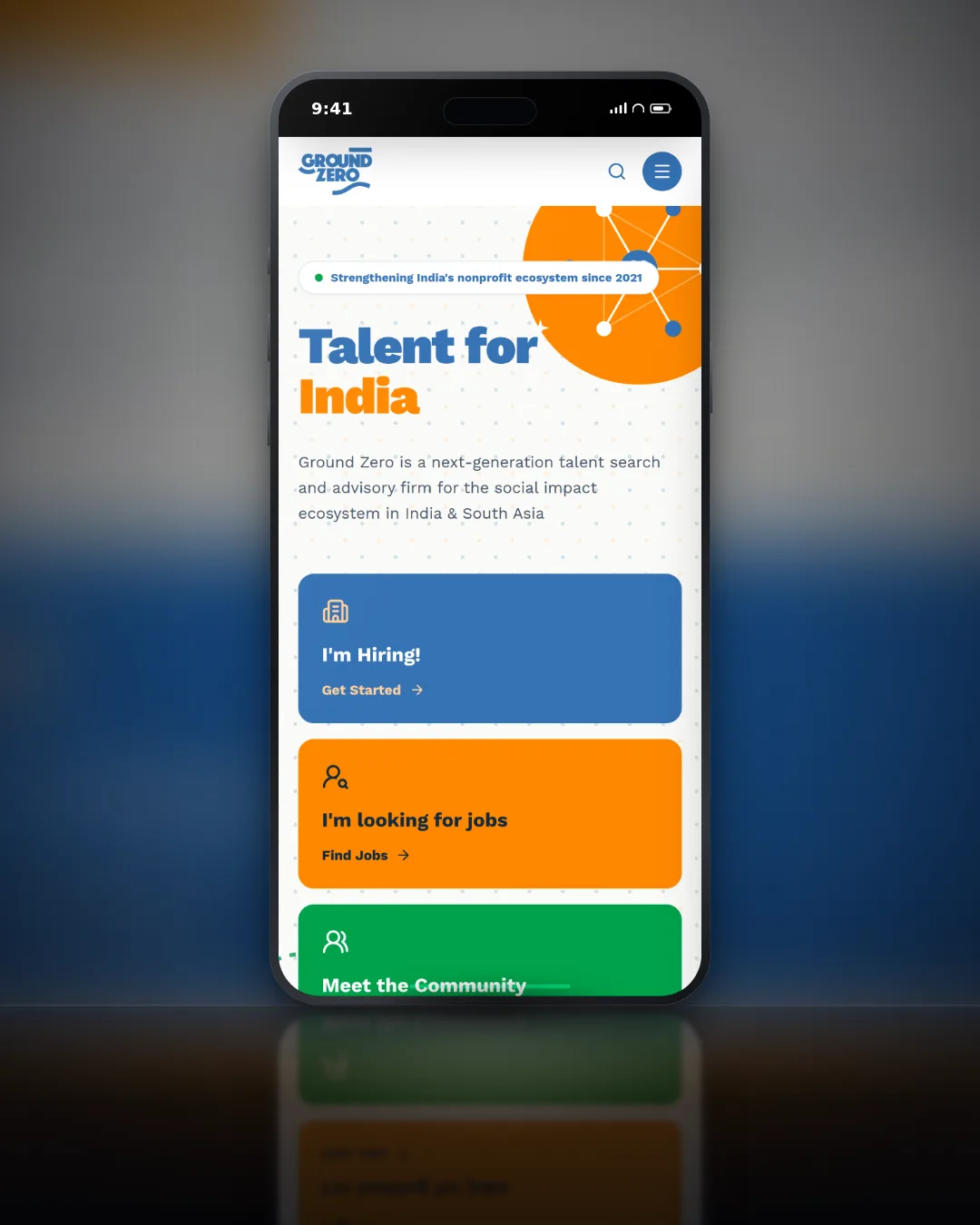
Talent Search & HR Advisory · Recruitment
4 Live content modules

Luxury Interiors / Architecture · CodeIgniter 4
Centralised media management
See every case study
Shopify, WordPress and custom builds, with the brief, the work and the result.
View all workFAQ
If your question is not here, ask us directly. The consultation is free.
Yes. We design navigation and collection structures around how buyers actually shop for sports gear: by sport, by activity level or by use, not only by generic product type. Collections, filters and the mega menu are planned together, so a buyer reaches the right gear for their sport in a couple of taps.
Yes. We completed a full Shopify 2.0 theme rebuild for Pro Ase Sports, with the theme rewritten for speed and the product pages restructured around size guides and stock status. The project is on our work page, with the details of what was changed.
Both, and we recommend doing them together, because sending paid traffic to a store that does not convert wastes ad spend. Our CRO and performance marketing teams usually work side by side on sports and fitness accounts, so fixes on the store and changes in the campaigns are planned as one.
By planning campaigns and stock around the sports calendar: cricket season, marathon season and the festive and New Year fitness push. Collections, size guides and ads are prepared before each season starts, so inventory and ad spend meet demand when buyers are actually shopping.
Yes. We build category-specific size charts for cricket, football, running and fitness apparel, with clear measuring instructions, and show them in a drawer on the product page. The aim is to answer fit questions before checkout, which is where size-related returns are prevented.
Yes, and it is usually the first thing we do. We set up GA4 and the Meta Pixel with funnel tracking, so you can see where buyers drop off between product, cart and checkout, and which campaigns lead to sales. Budget decisions then follow real data rather than guesswork.
Most sports and fitness stores we build are Shopify 2.0 themes in Liquid and vanilla JS. When a business needs something a store platform cannot do, such as a custom portal or an internal tool, we build it in Laravel and MySQL alongside the store.
Yes. We target sport and equipment-specific search terms, add structured product data, and write gear guides and buying advice that answer what buyers search before they buy. That organic traffic keeps arriving after the ad spend stops, which lowers the cost of each sale over time.
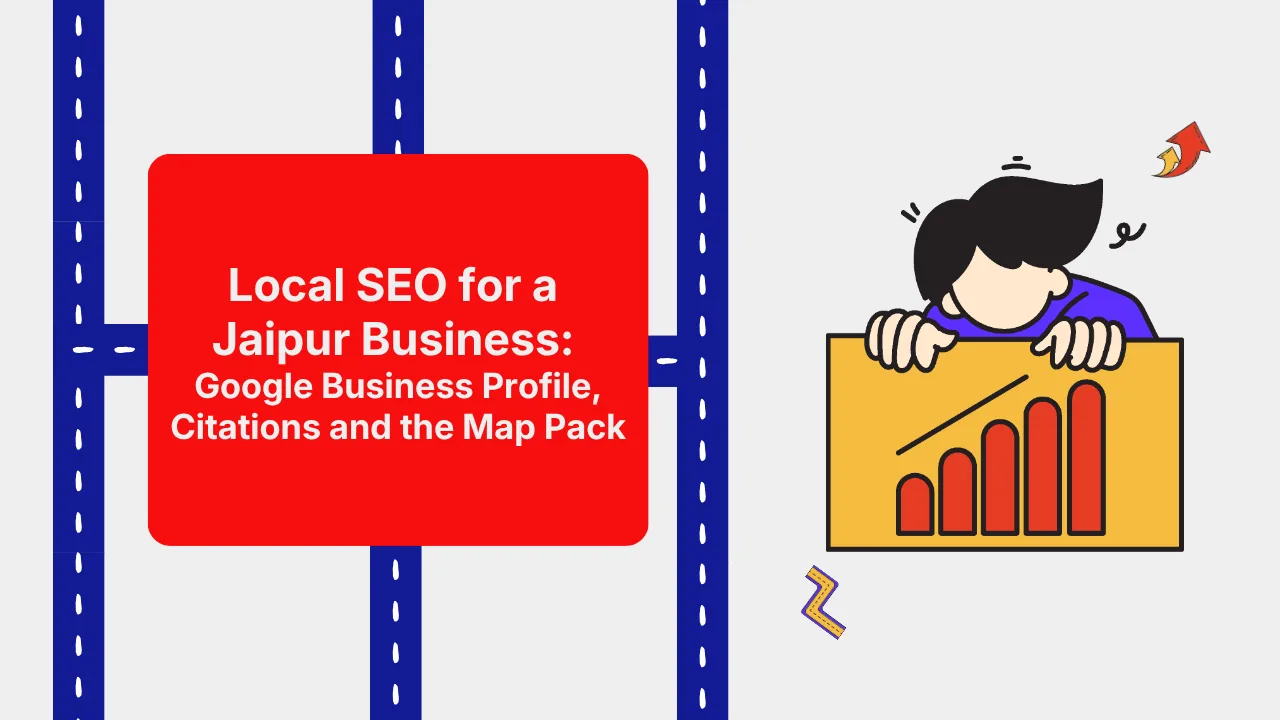
The map pack is ranked on three things Google names publicly, and only two of them are yours to change. Here is what that means in practice for a Jaipur business, and which of the usual local SEO advice is a waste of your time.
Most of the risk in a WooCommerce to Shopify move is not the product data. It is the URL map, the things that were plugins and now have to be rebuilt, and in India the payment gateway, which does not come across at all.

Shopify handles a lot of technical SEO for you and leaves a specific set of problems it cannot fix. Here is which pages to fight for, the duplicate URL trap every store has, and what to do about supplier product copy.
Free consultation
Tell us about your store, your catalogue and what your ads are doing. We come back with what we would fix first.
Free 30-minute consultation
We look at your store and ads with you.
A clear, fixed-price plan
What we would change, in what order, and the price.
Foundation first
Store speed and product pages before ad spend.
Your store address and the sports you sell for are enough to start.